PAINTINGS OF BOOKS
In this selection of pieces, found books are placed, often within the frame, next to their painted image. The medium I use is usually watercolor. The books were acquired from used bookstores, yard sales, flea markets and such. Their titles range from lurid romance, sensational sociology, to photographic processes, maritime themes and the hypnotic image. These books are all from another time, yet they remain of interest in this time, as they continue to circulate, year after year, long after their publication date and long since their intended purpose has lapsed. The original pictures were manufactured swiftly but I work for many hours to faithfully copy them, right down to each accident - a crease, smudge or tear. The paintings are not always finished but I consider them complete. The painted representation, juxtaposed with the physical object, and often presented in immersive installations, sets the stage for enquiry. For me, the work of copying is an act of thinking, a way of raising questions and, in a sense, interrogating both the object and the subject.
*Click on images, to view full size.
FRAMING ELEMENT
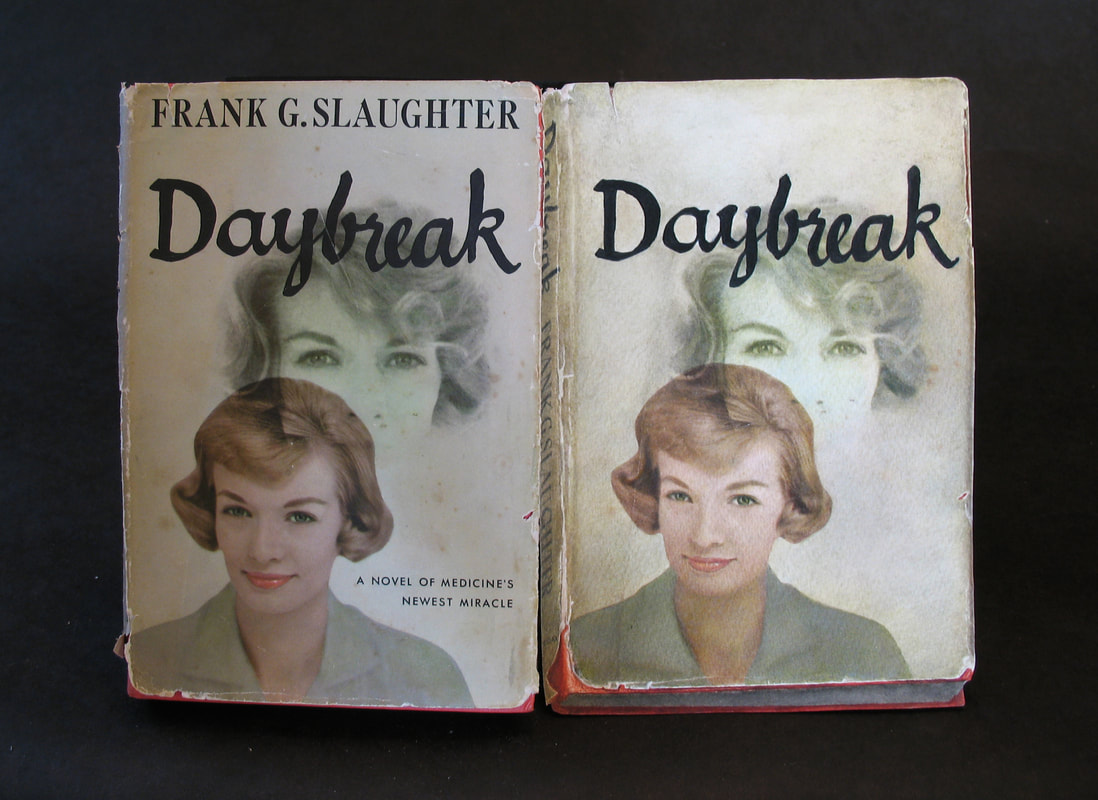
"DaybreakDaybreak"
Watercolor - right Found Book - left 11"x14", 2019. 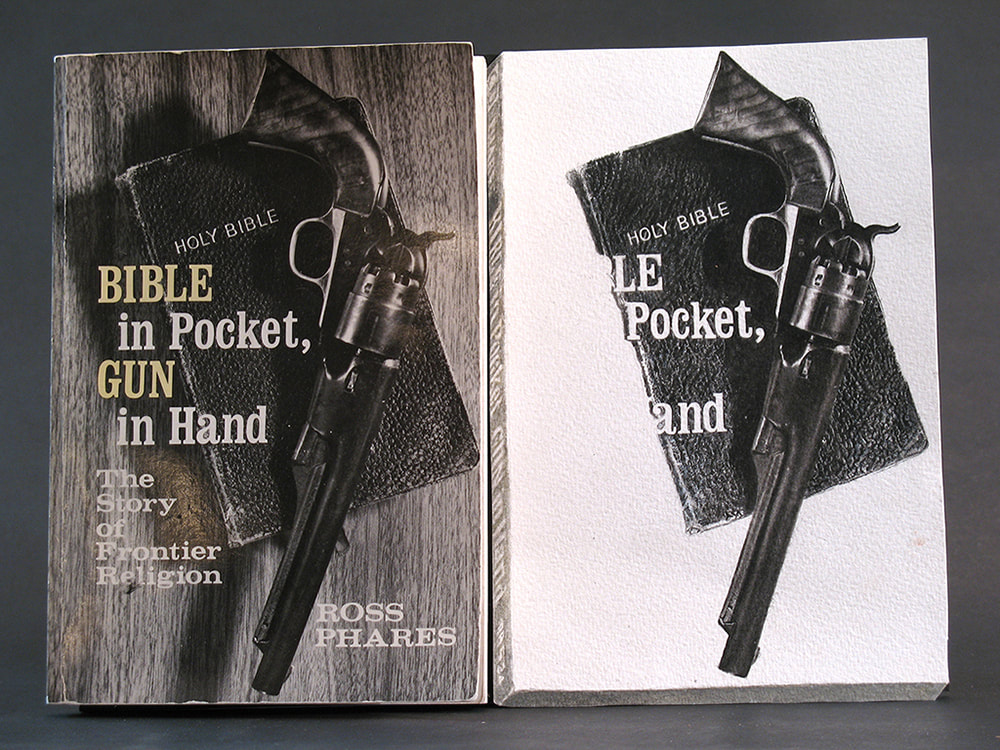
“Bible Study”
Watercolor – right Found Book – left 11” x 14”, 2018. 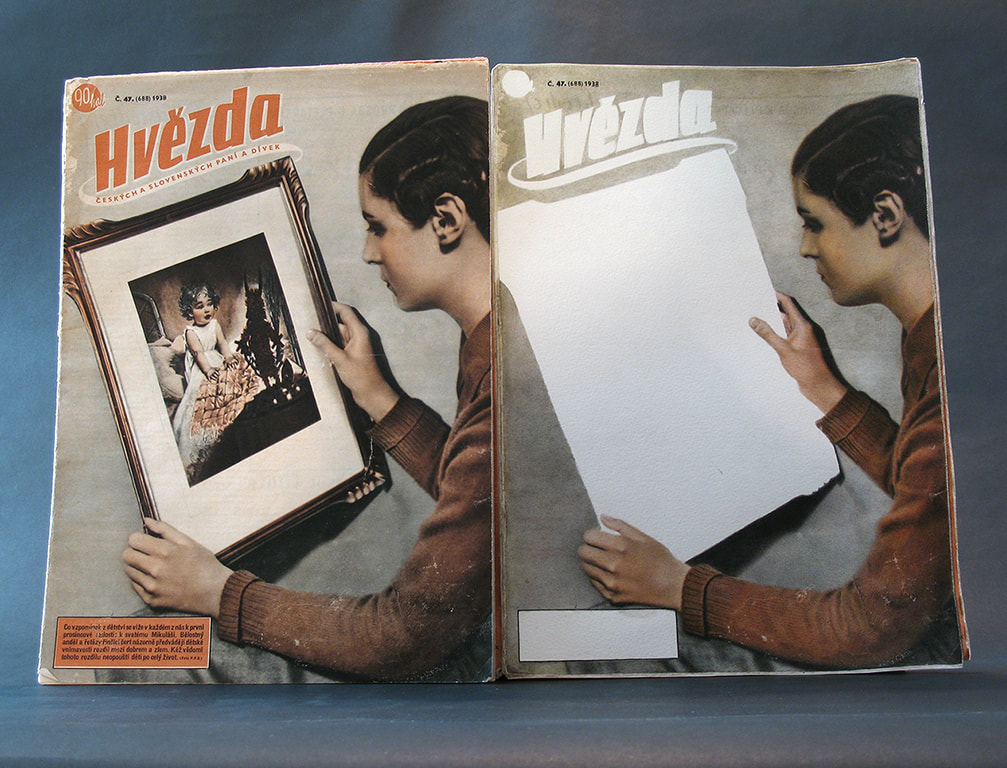
“Framing Element”
Watercolor – right Found Magazine – left 18” x 24”, 2019. |
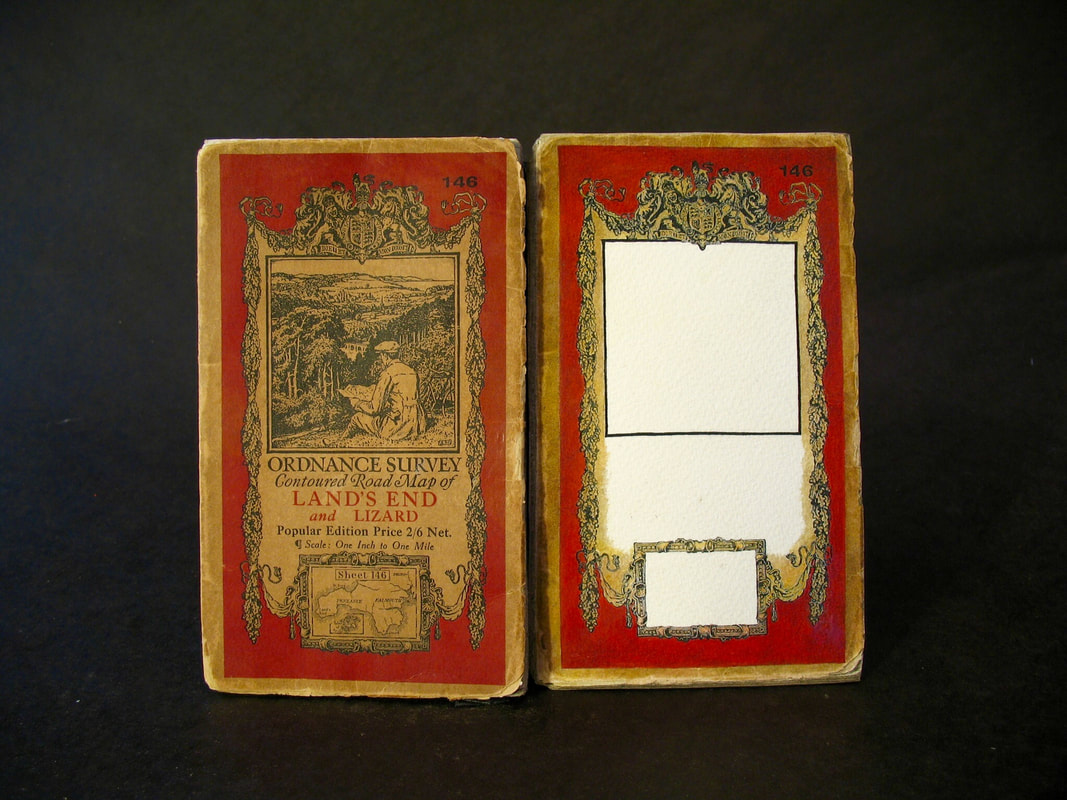
"Ordinance"
Watercolor - right Found Book - left 8"x10", 2019. 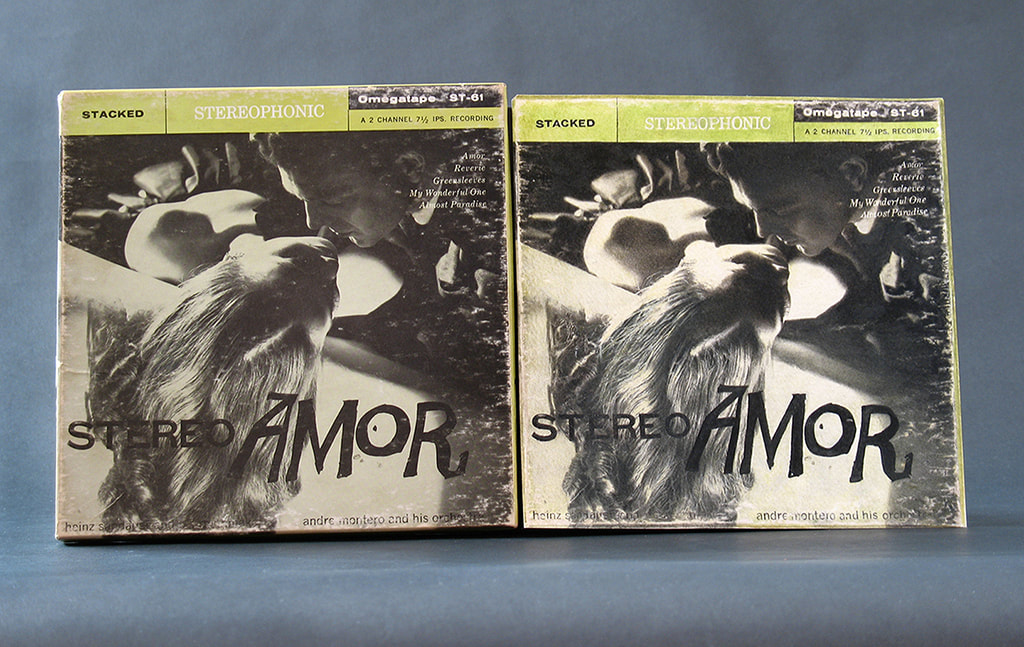
“StereoStereo”
Watercolor – right Found Box Set - left 10" x 22”, 2018. |
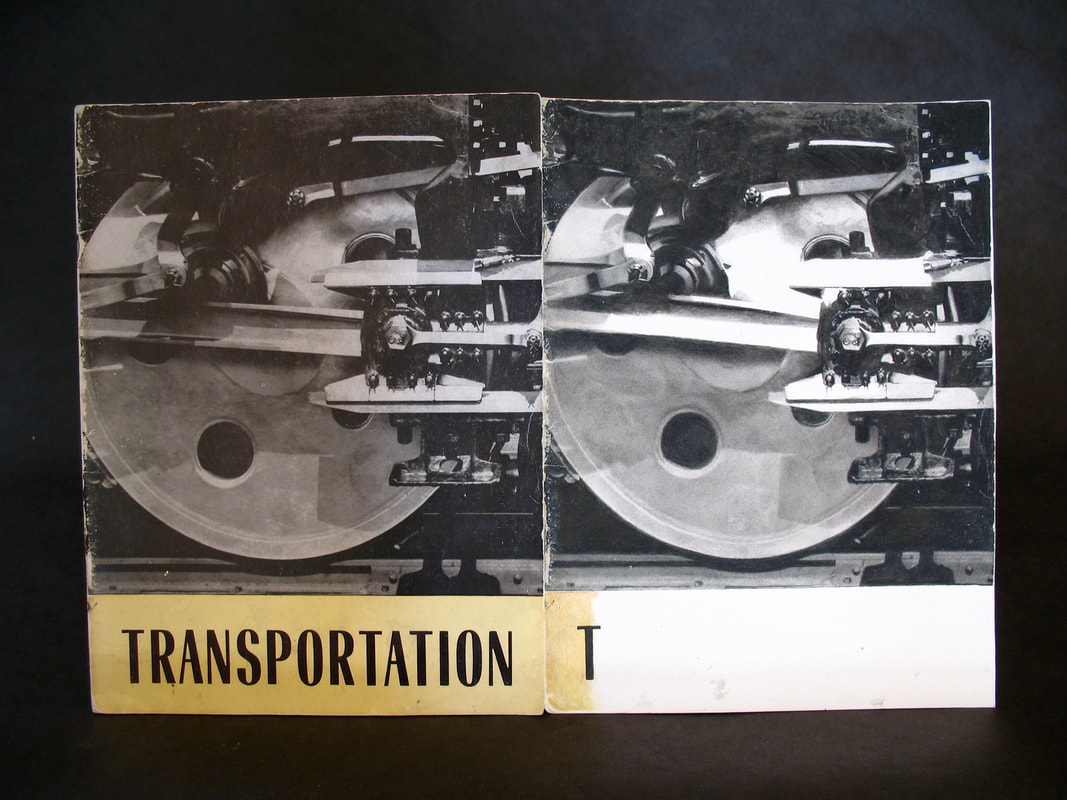
"TransportationT"
Watercolor - right Found Book - left 12"x18", 2019. 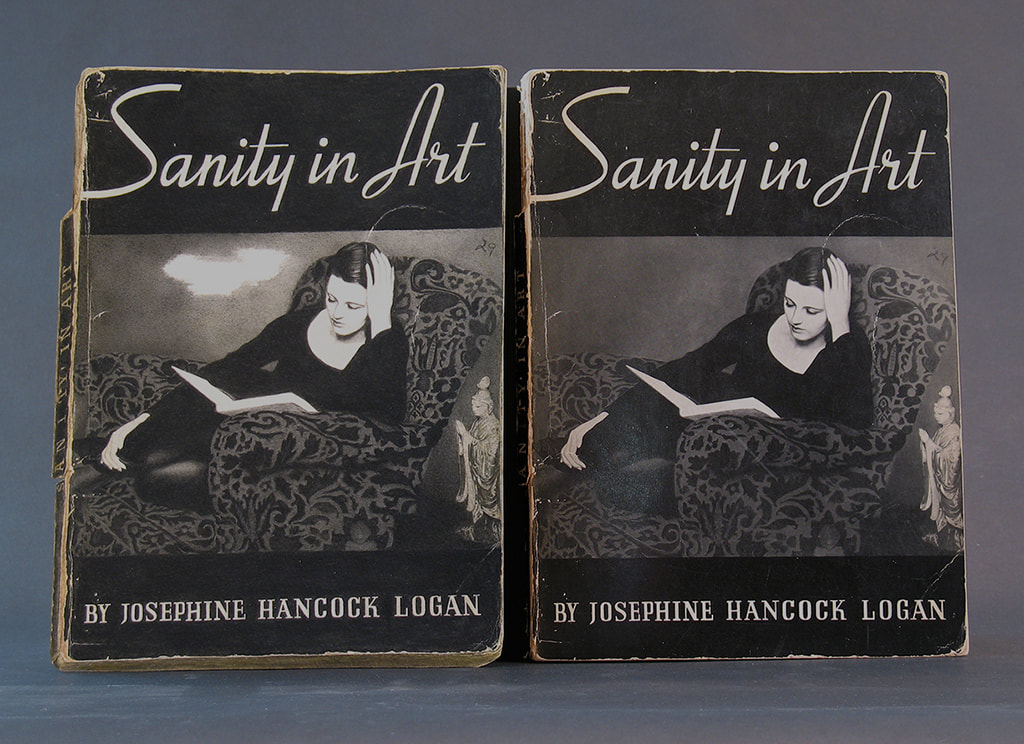
“Art In Sanity”
Watercolor – left Found Book – right 14” x 18”, 2019. |
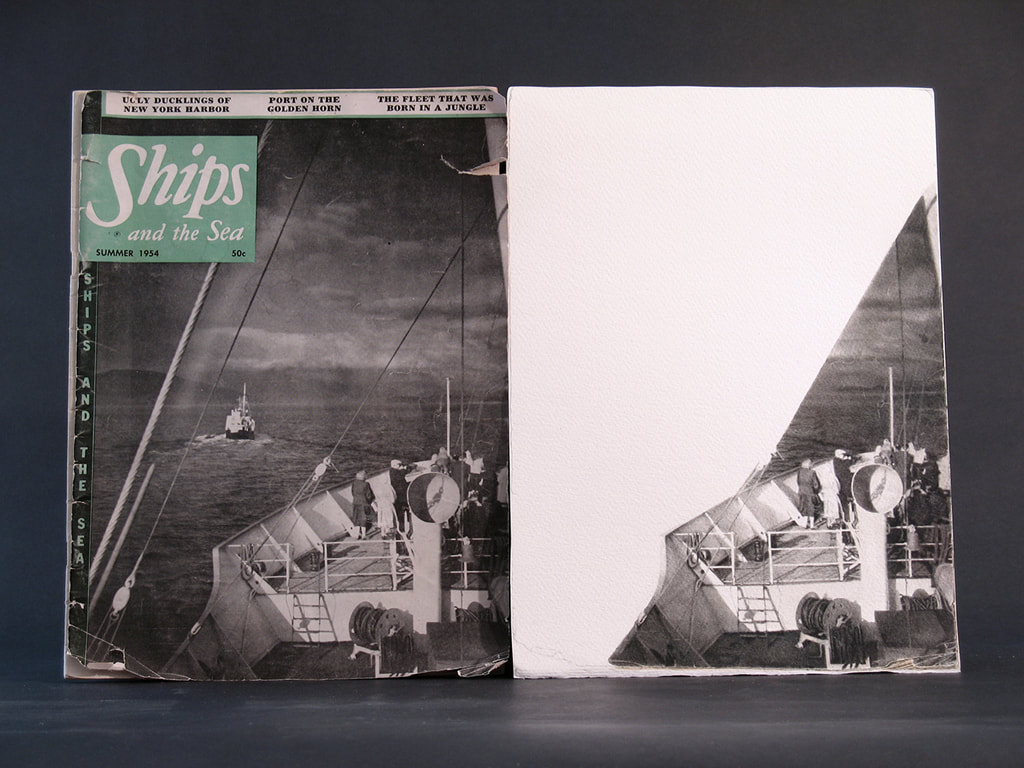
“Ships and the Sea”
Watercolor – right Found Magazine – left 14” x 18”, 2019. 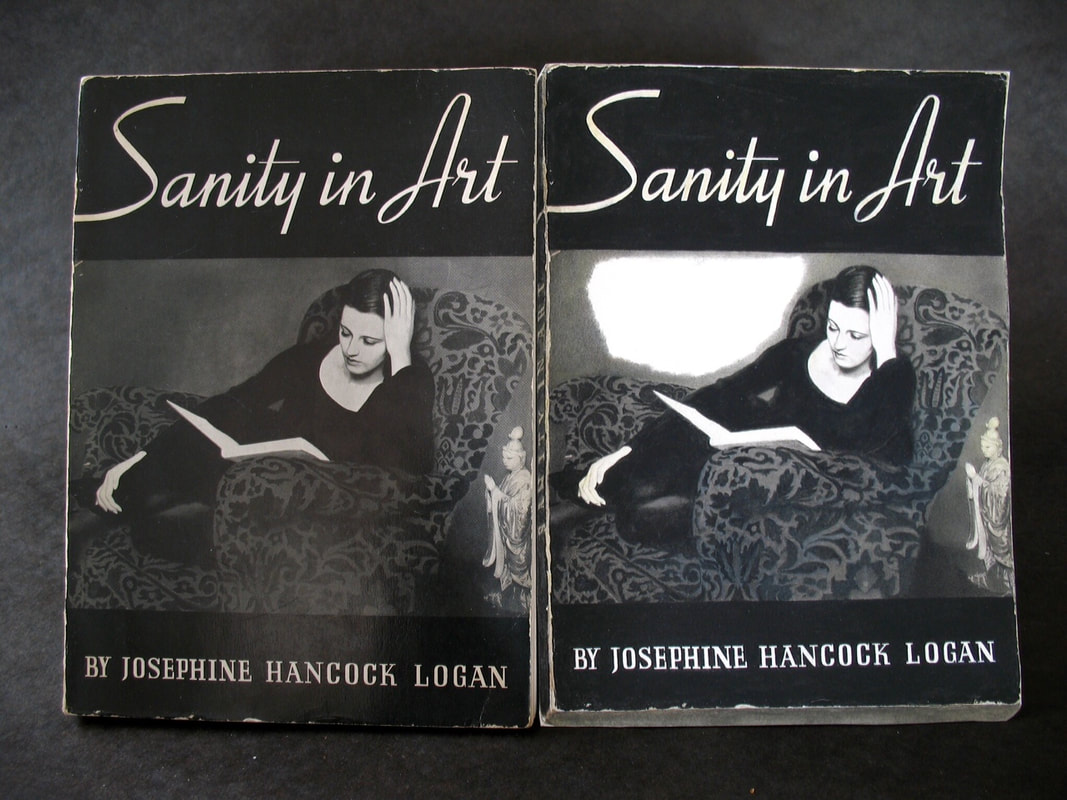
“Art In Sanity 2”
Watercolor – left Found Book – right 14” x 18”, 2019. |
HOW
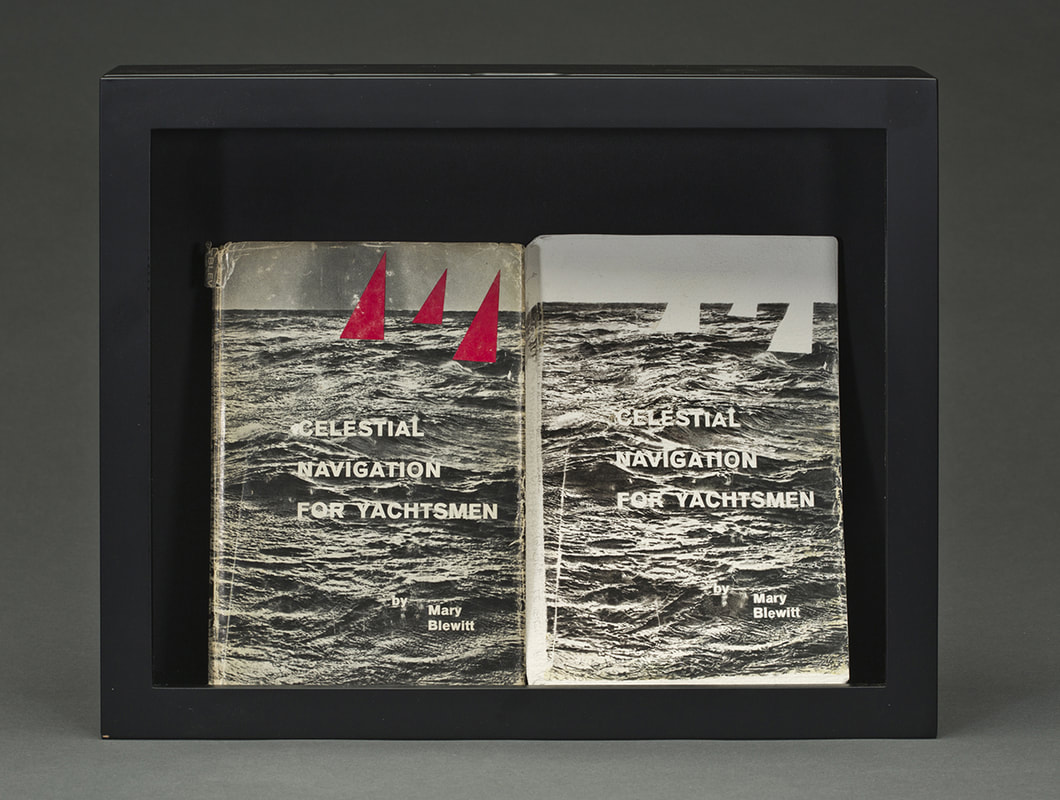
“Celestial”
Watercolor – right Found Book – left 11” x 14”, 2017 |
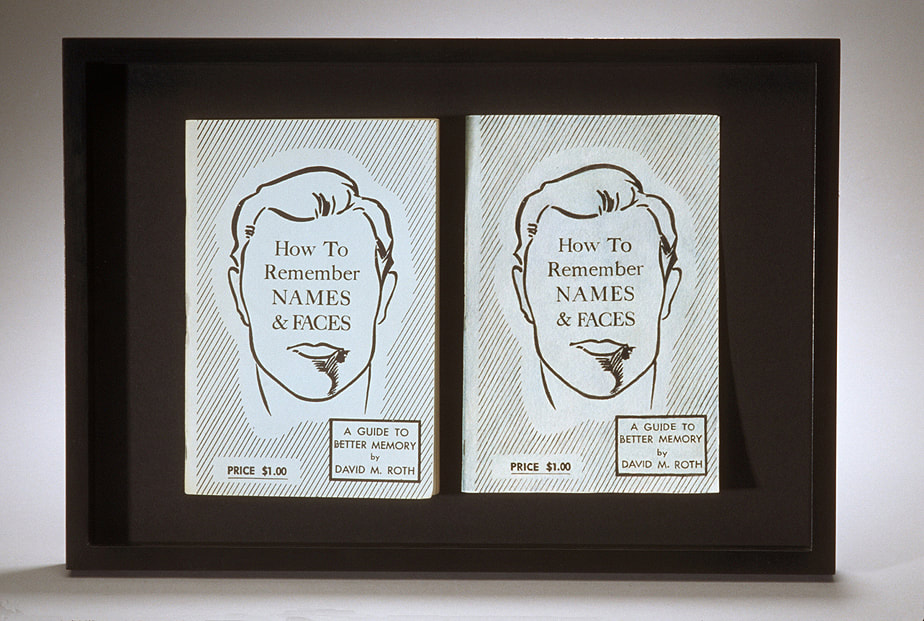
“How”
Watercolor – right Found Book – left 11” x 14”, 2004 |
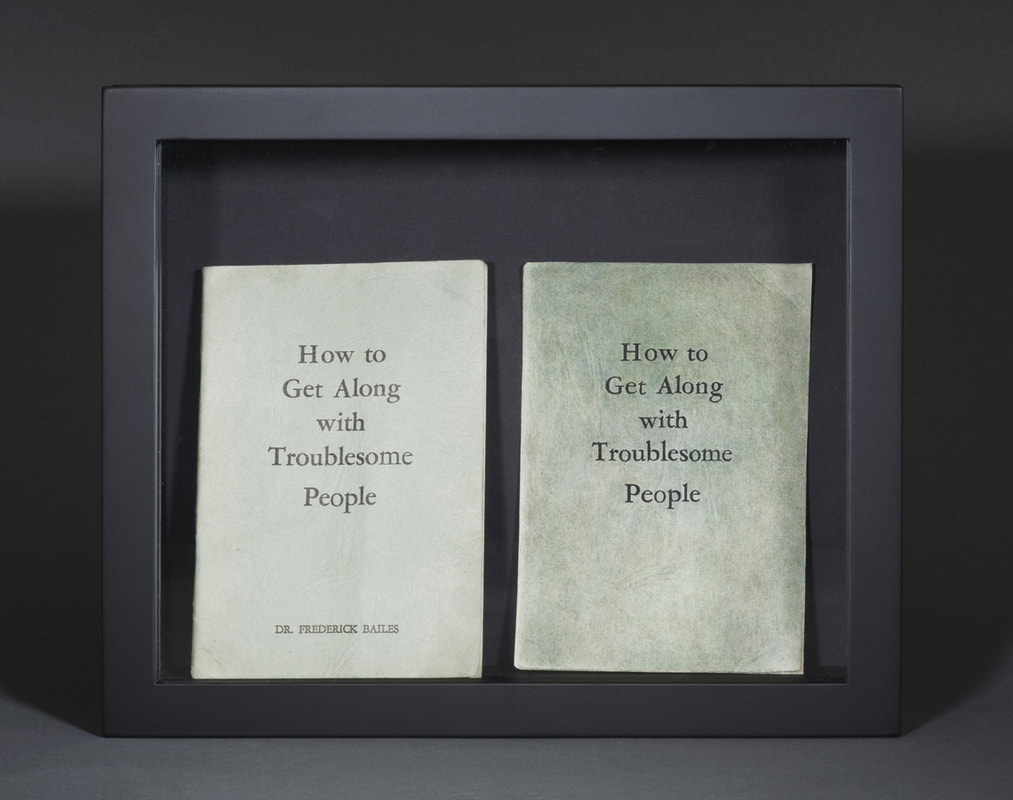
“HowHow”
Watercolor – right Found Book – left 8” x 10”, 2009 |
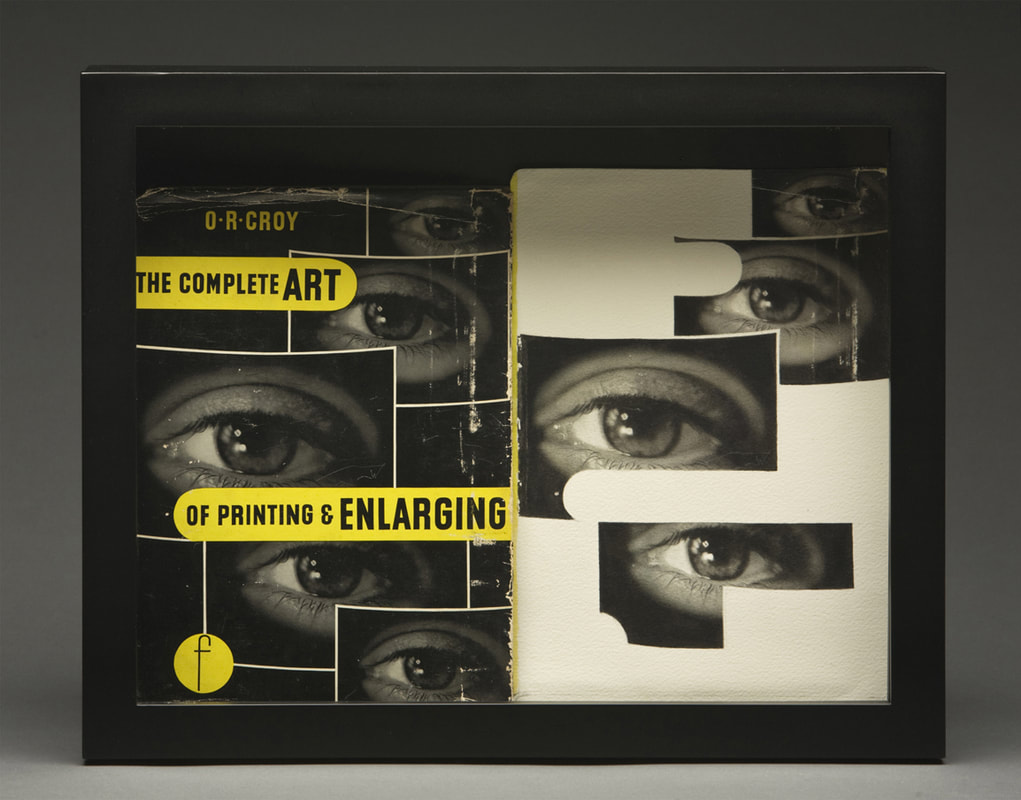
“Hypnoptic One”
Watercolor – right Found Book – left 11” x 14”, 2011 |
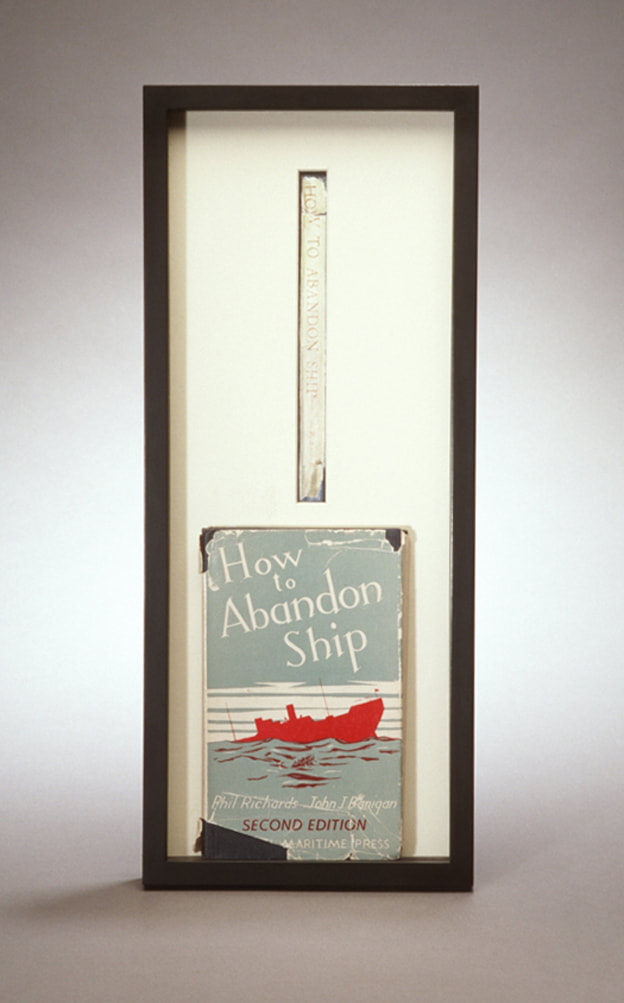
“How To”
Watercolor – top Found Book – bottom 7” x 17”, 1991 |
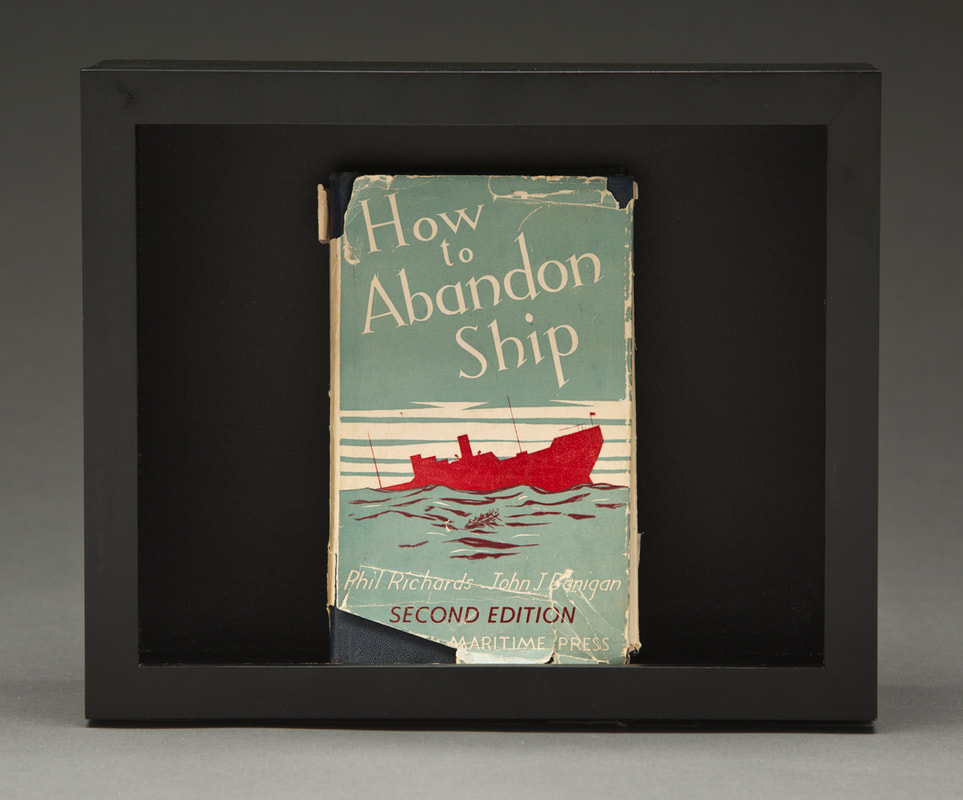
“How to Abandon Ship”
Found Book 8” x 10”, 2016 |
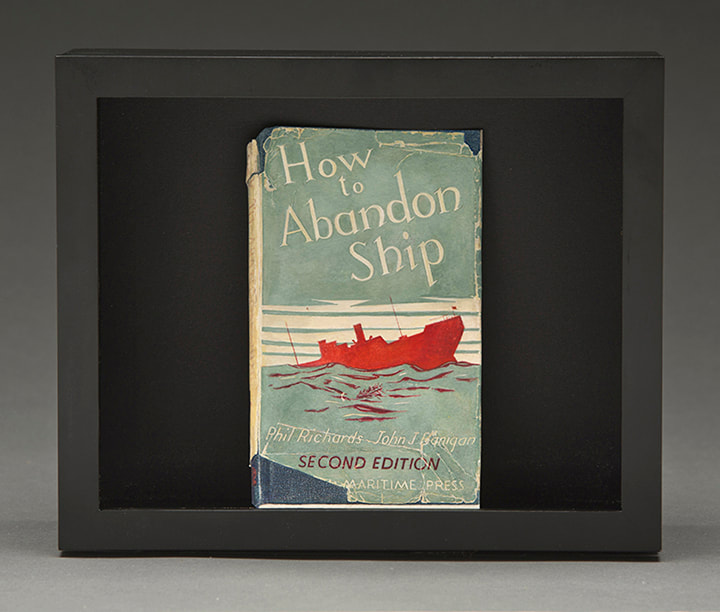
“How to Abandon Ship”
Watercolor 8” x 10”, 2016 |
MATTER
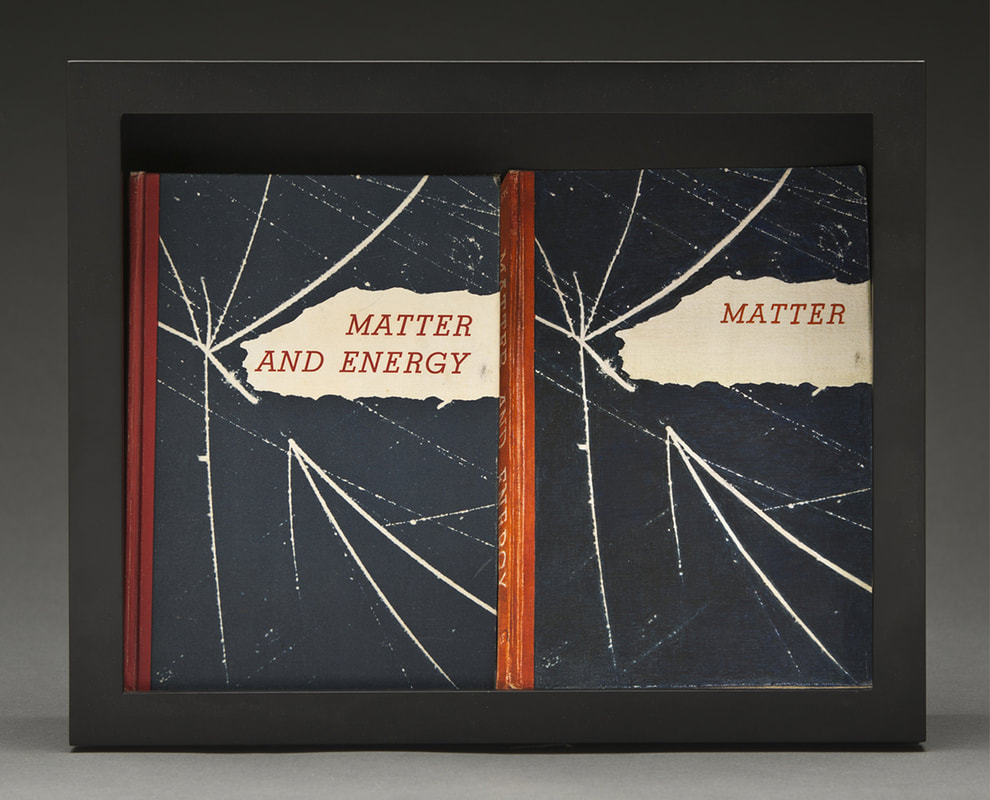
“MatterMatter”
Watercolor – right Found Book – left 11” x 14”, 2016 |
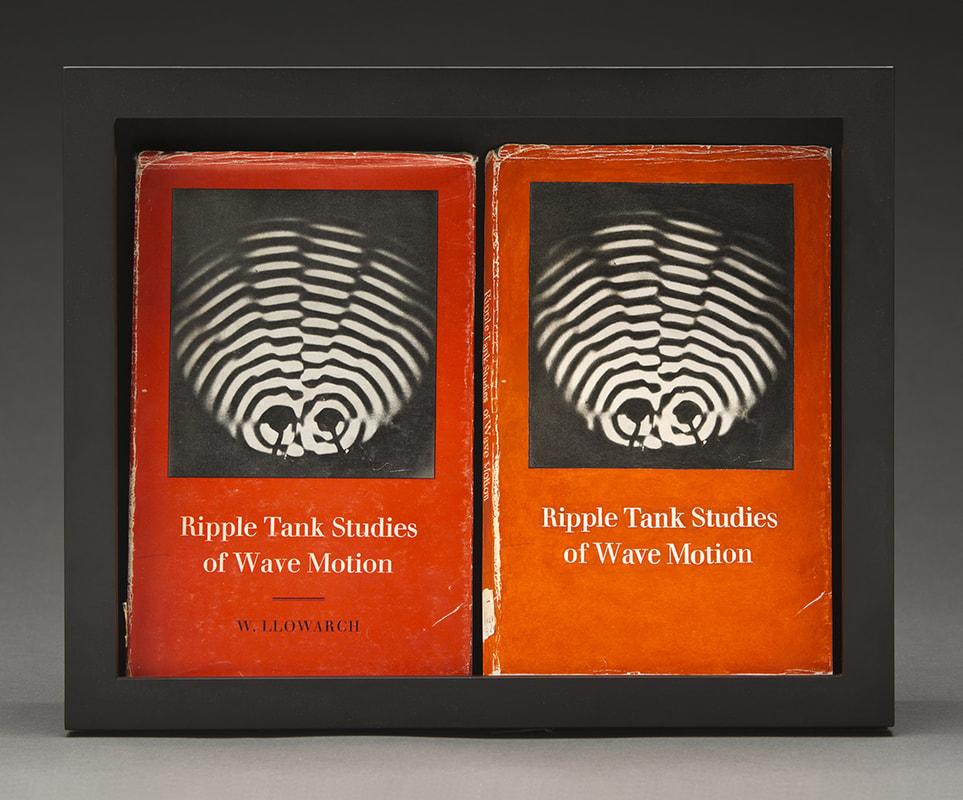
“RippleRipple”
Watercolor – right Found Book – left 11” x 14”, 2016 |
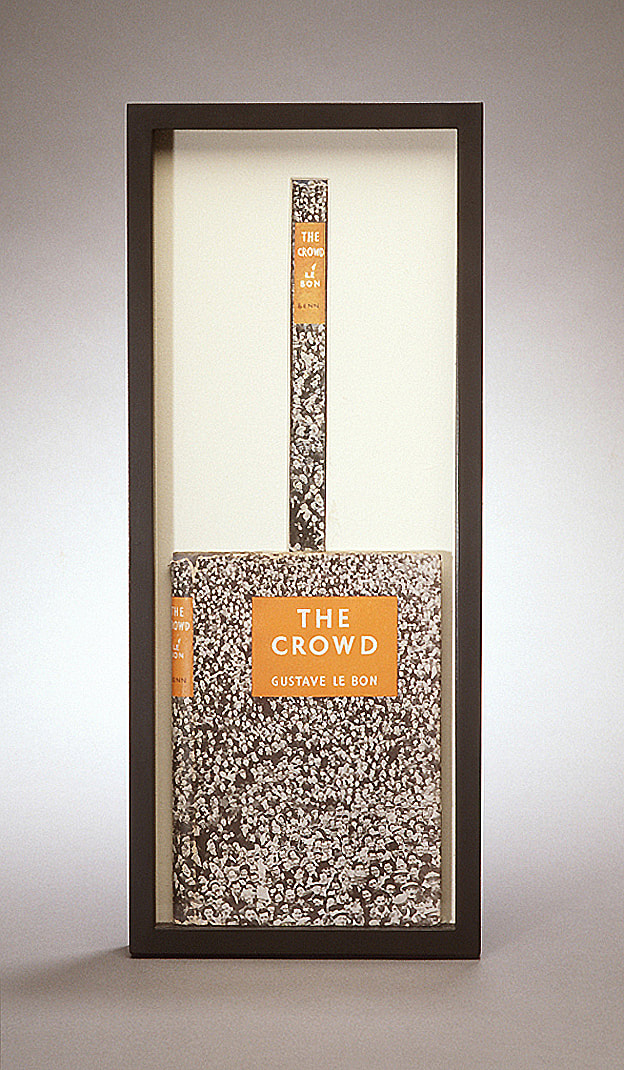
“The Crowd”
Watercolor – top Found Book – bottom 7” x 17”, 1991 |
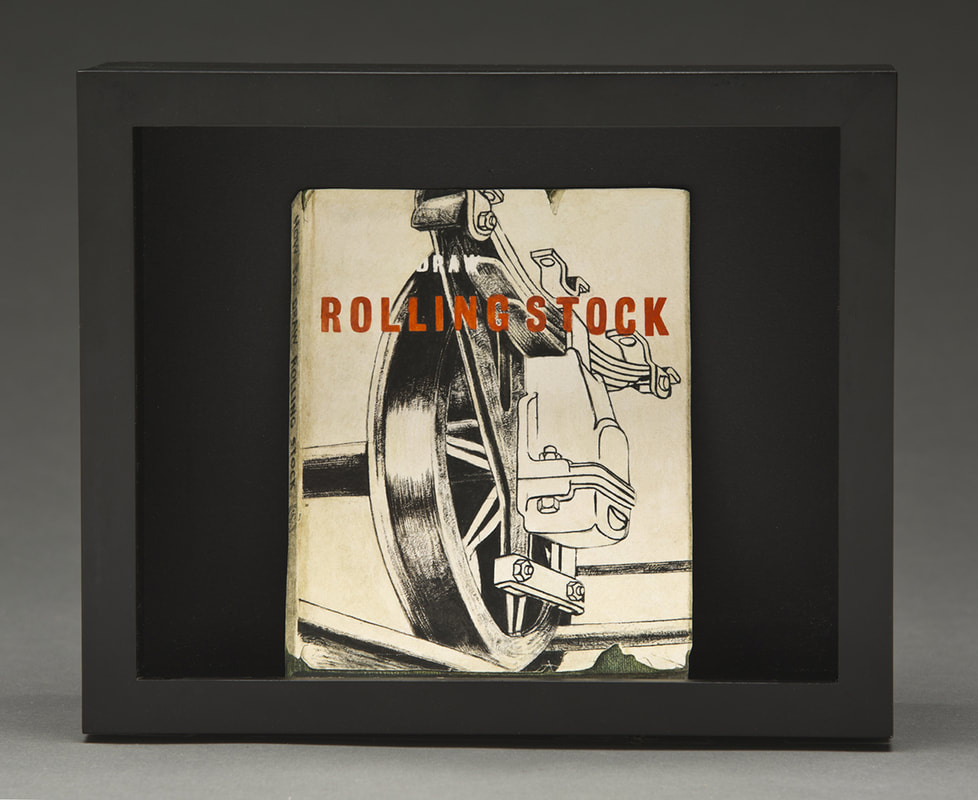
“Rolling”
Watercolor 8” x 10”, 2016 |
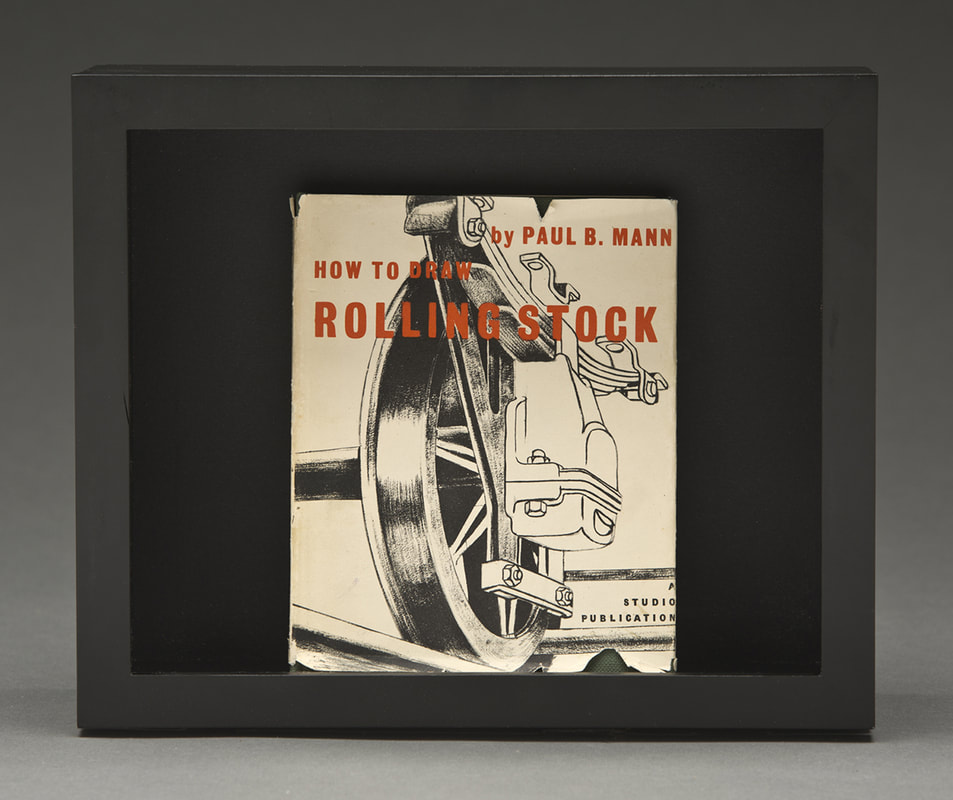
“Rolling”
Found Book 8” x 10”, 2016 |
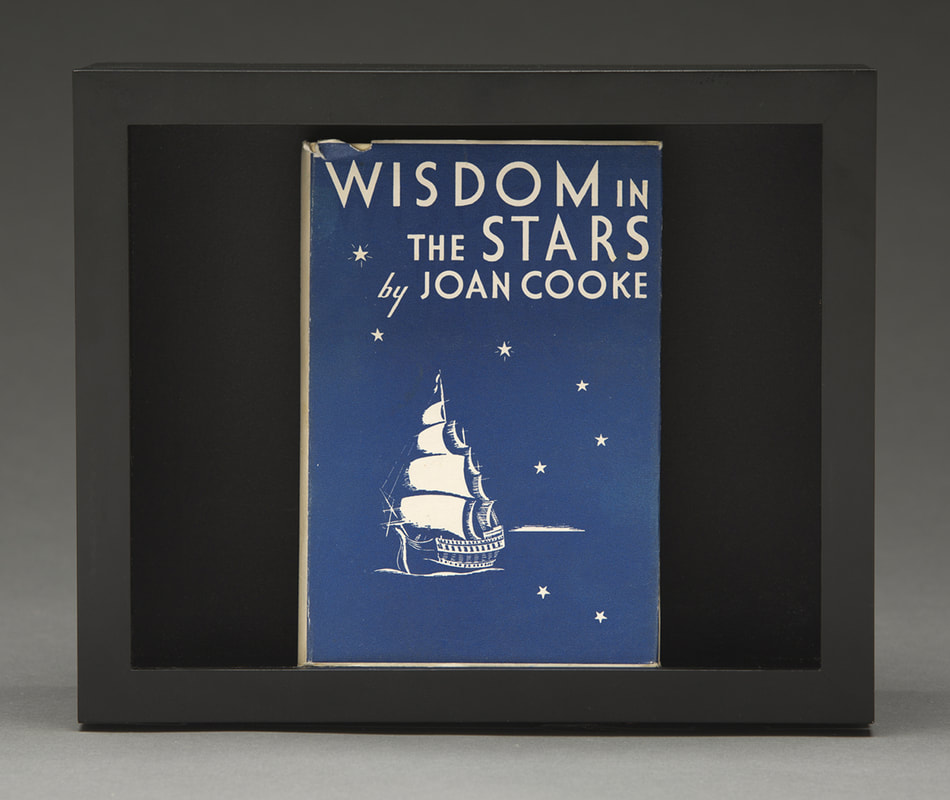
“Wisdom
Found Book 8” x 10”, 2016 |
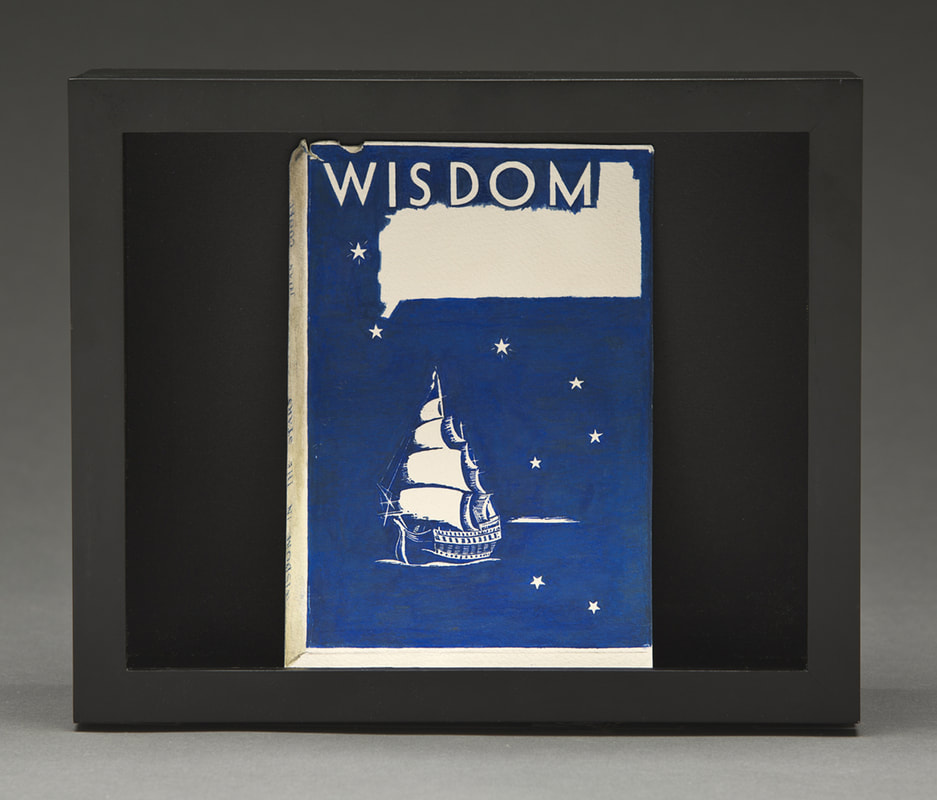
“Wisdom”
Watercolor 8” x 10”, 2016 |
TWELVE SUGGESTIONS
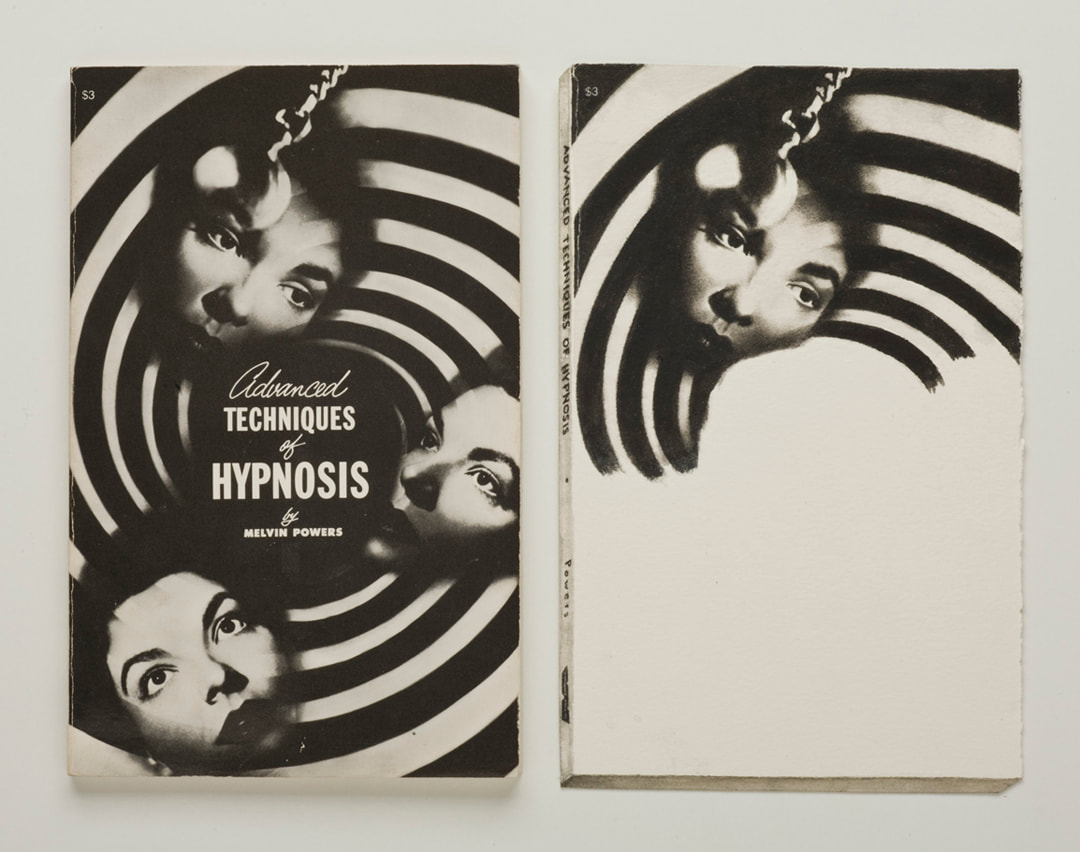
"Suggestion One"
Watercolor - right Found Book - left 10" x 14", 2009 |
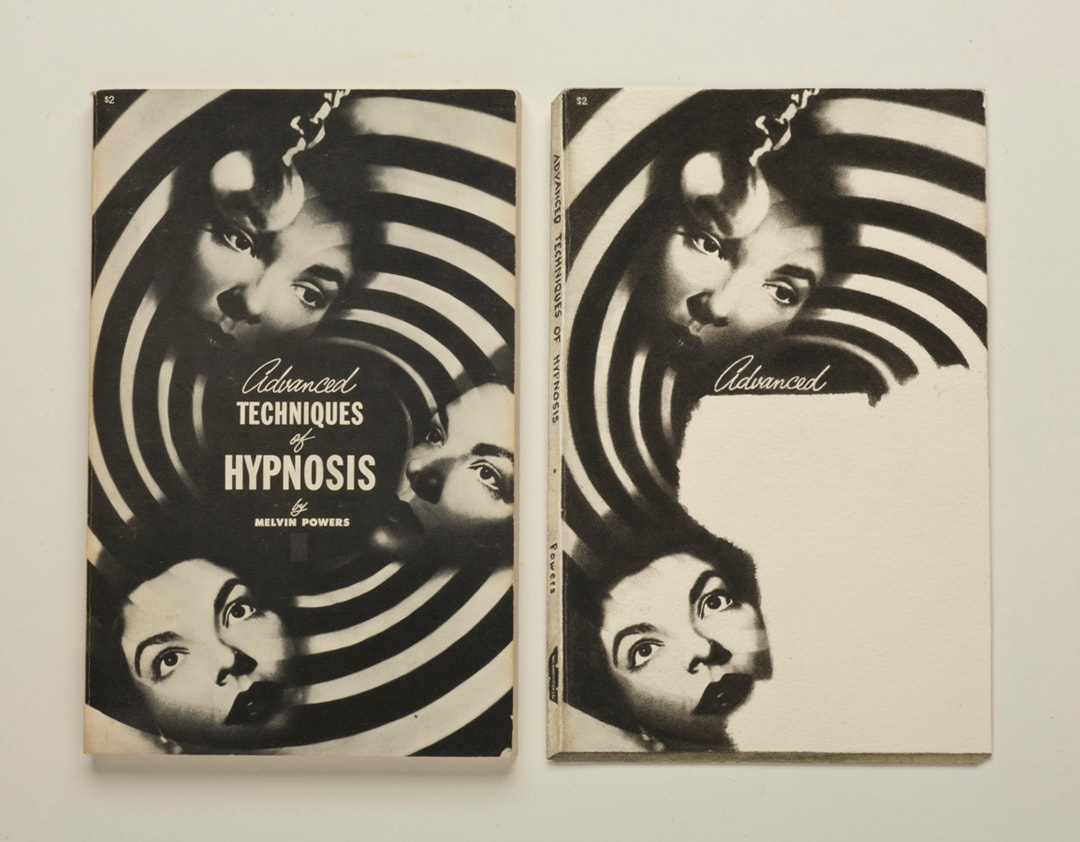
"Suggestion Two"
Watercolor - right Found Book - left 10" x 14", 2009 |
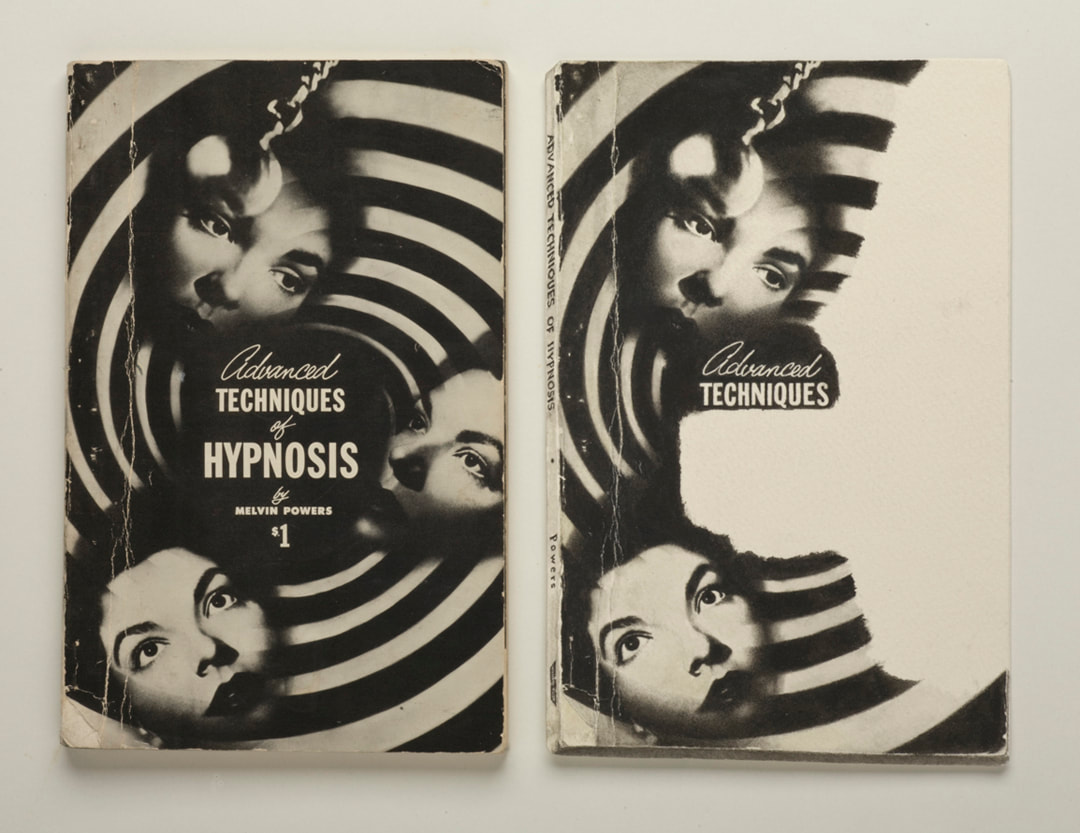
"Suggestion Three"
Watercolor - right Found Book - left 10" x 14", 2009 |

"Suggestion Four"
Watercolor - right Found Book - left 10" x 14", 2009 |

"Suggestion Five"
Watercolor - right Found Book - left 10" x 14", 2009 |

"Suggestion Six"
Watercolor - right Watercolor - left 10" x 14", 2009 |
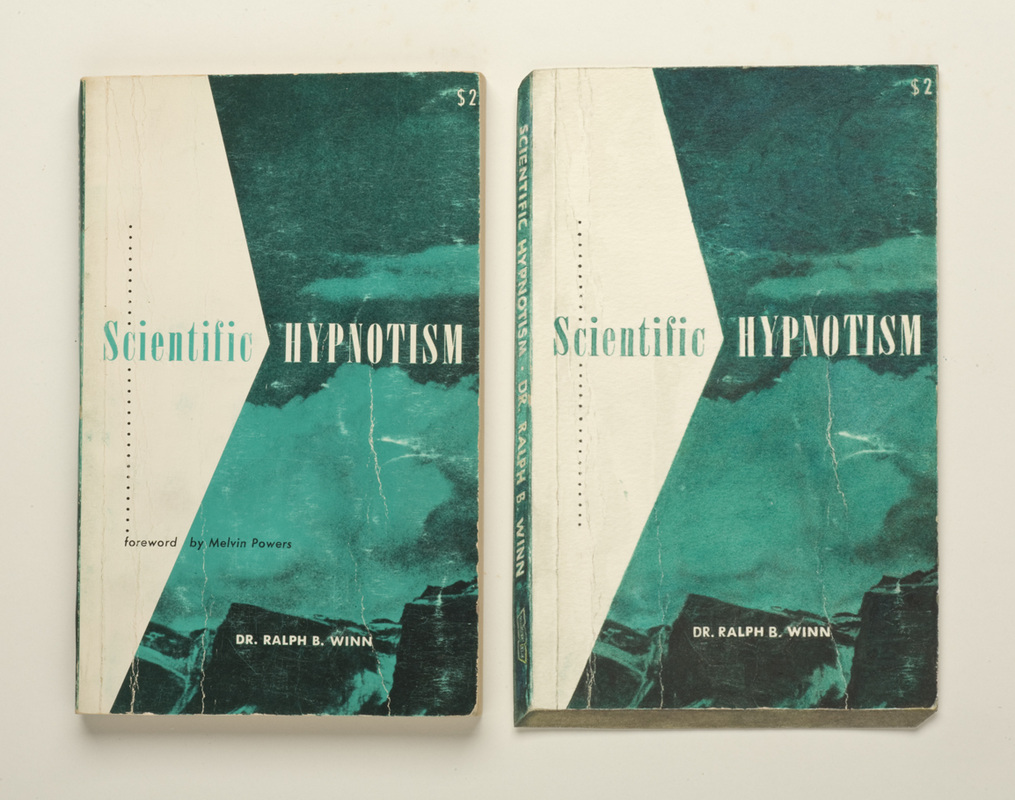
"Suggestion Seven"
Watercolor - right Found Book - left 10" x 14", 2010 |
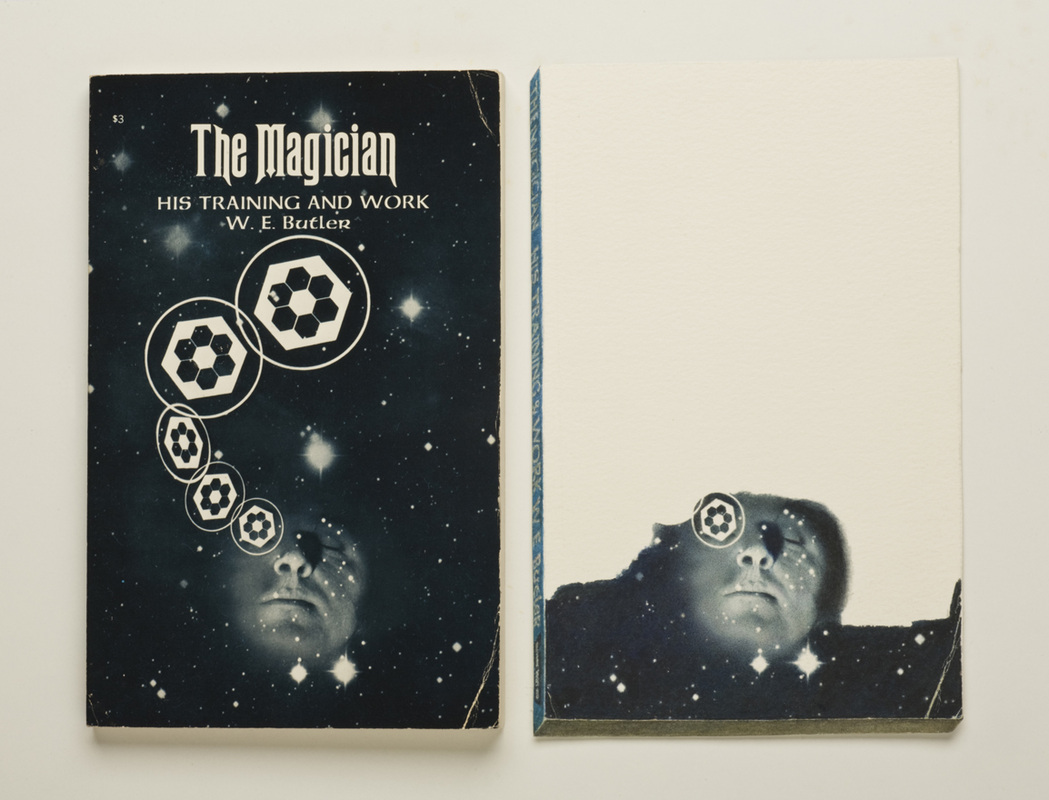
"Suggestion Eight"
Watercolor - right Found Book - left 10" x 14", 2010 |
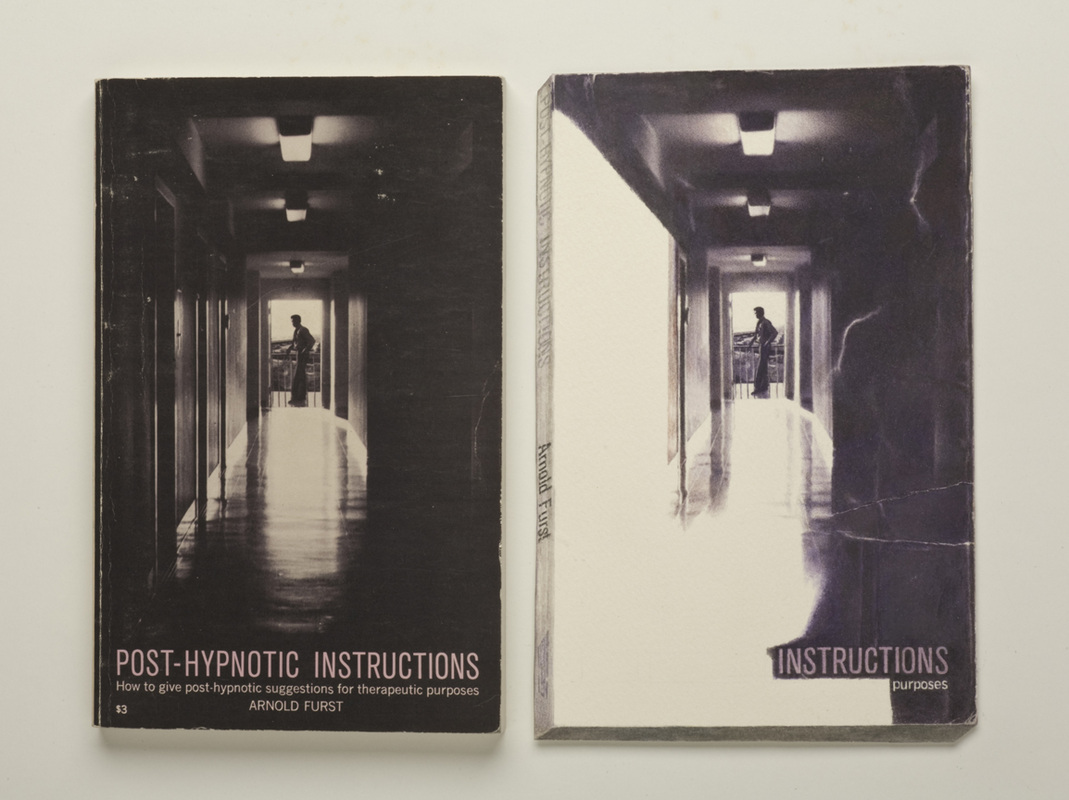
"Suggestion Nine"
Watercolor - right Found Book - left 10" x 14", 2010 |

"Suggestion Ten"
Watercolor - right Found Book - left 10" x 14", 2010 |
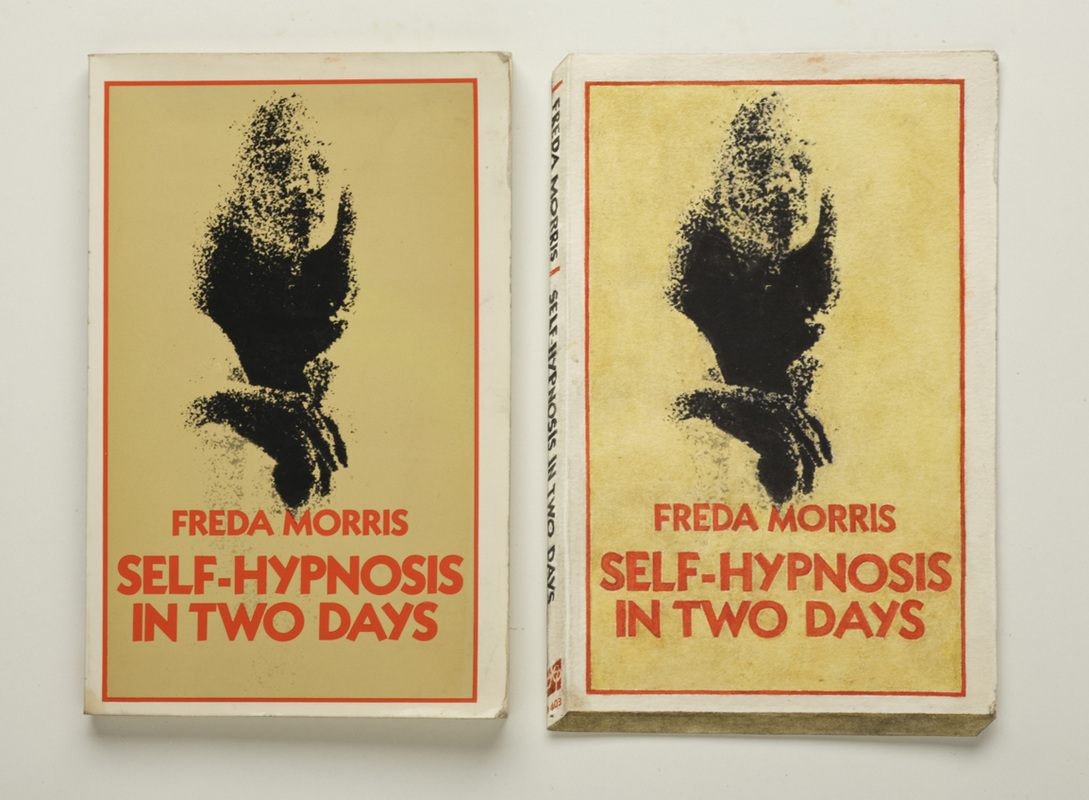
"Suggestion Eleven"
Watercolor - right Found Book - left 10" x 14", 2010 |
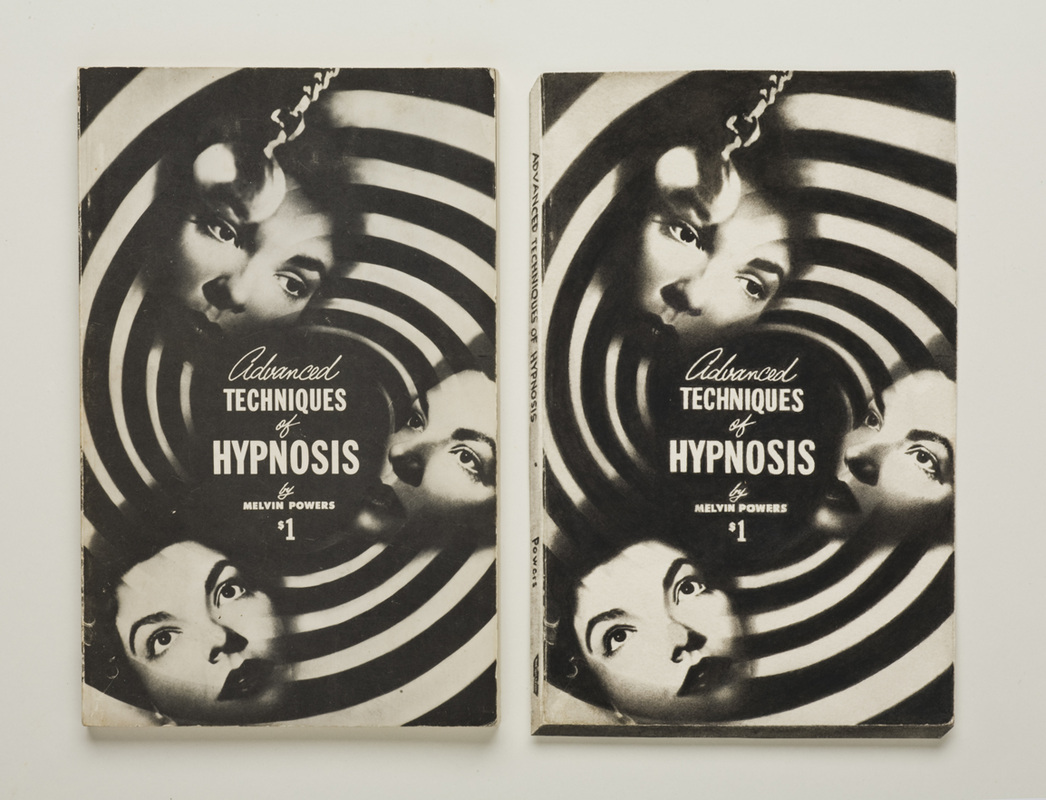
"Suggestion Twelve"
Watercolor - right Found Book - left 10" x 14", 2010 |
FACT & FICTION

"Fact & Fiction, Vol. 3" Watercolor - right
Found Book - left 8" x 11 ½",1987 |
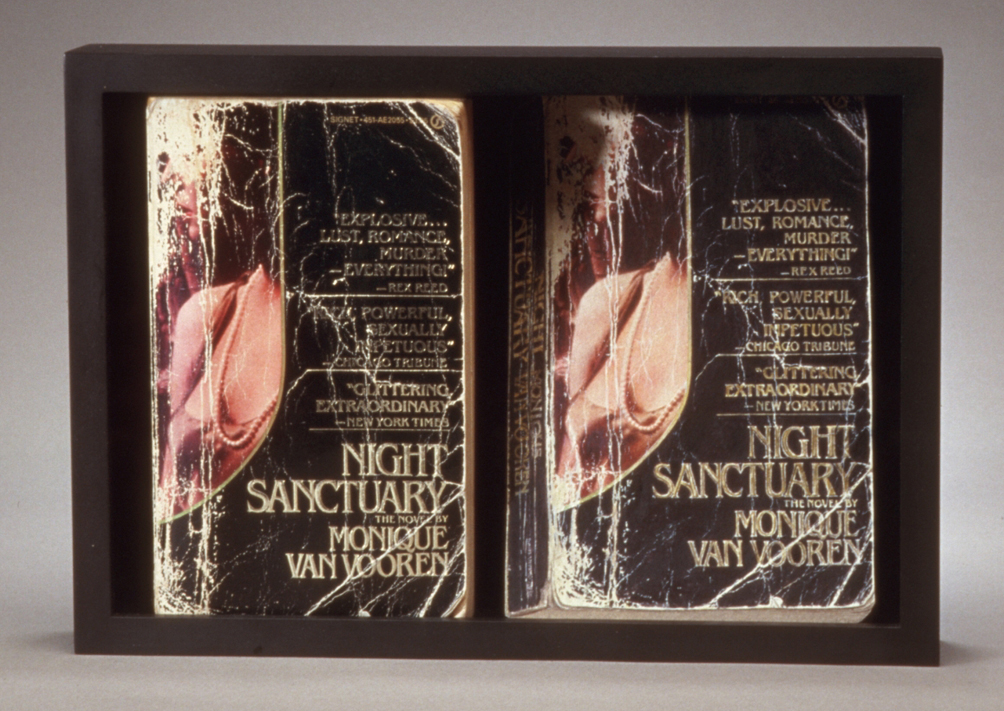
"Fact & Fiction, Vol. 5" Watercolor - right
Found Book - left 8" x 11 ½",1987 |
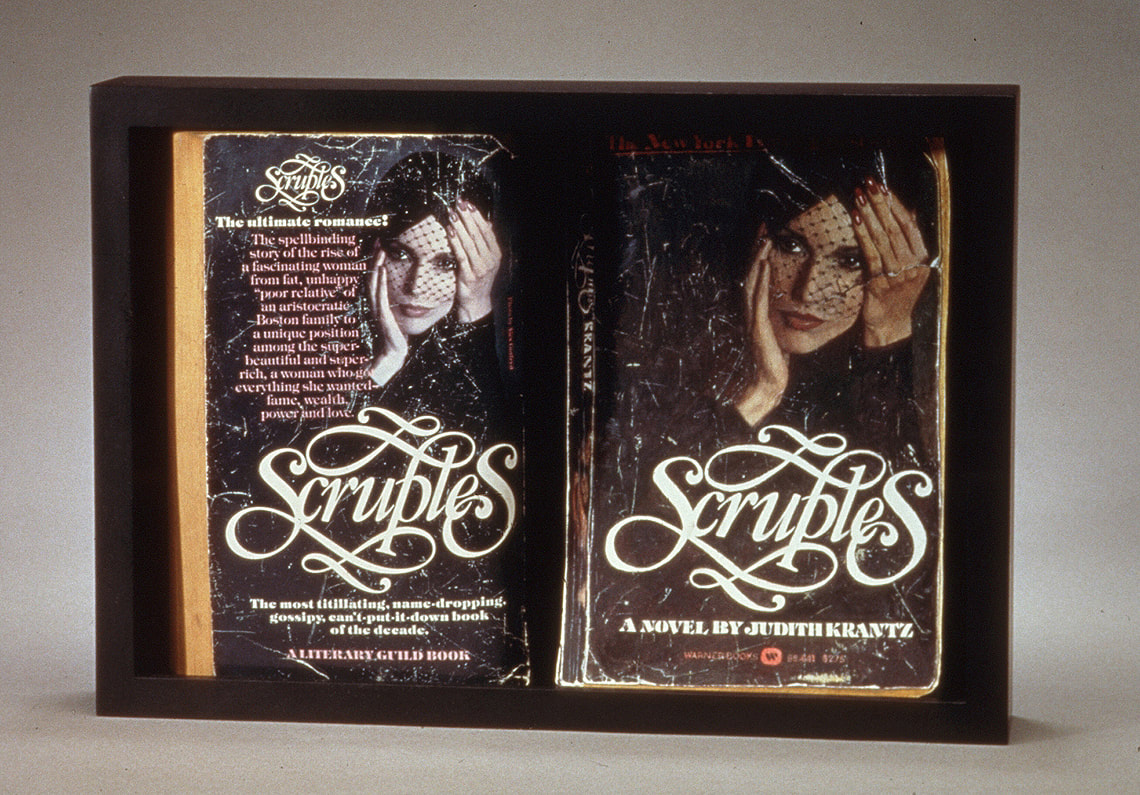
"Fact & Fiction Vol. 6"
Watercolor - right Found Book - left 8" x 11 ½",1987 |
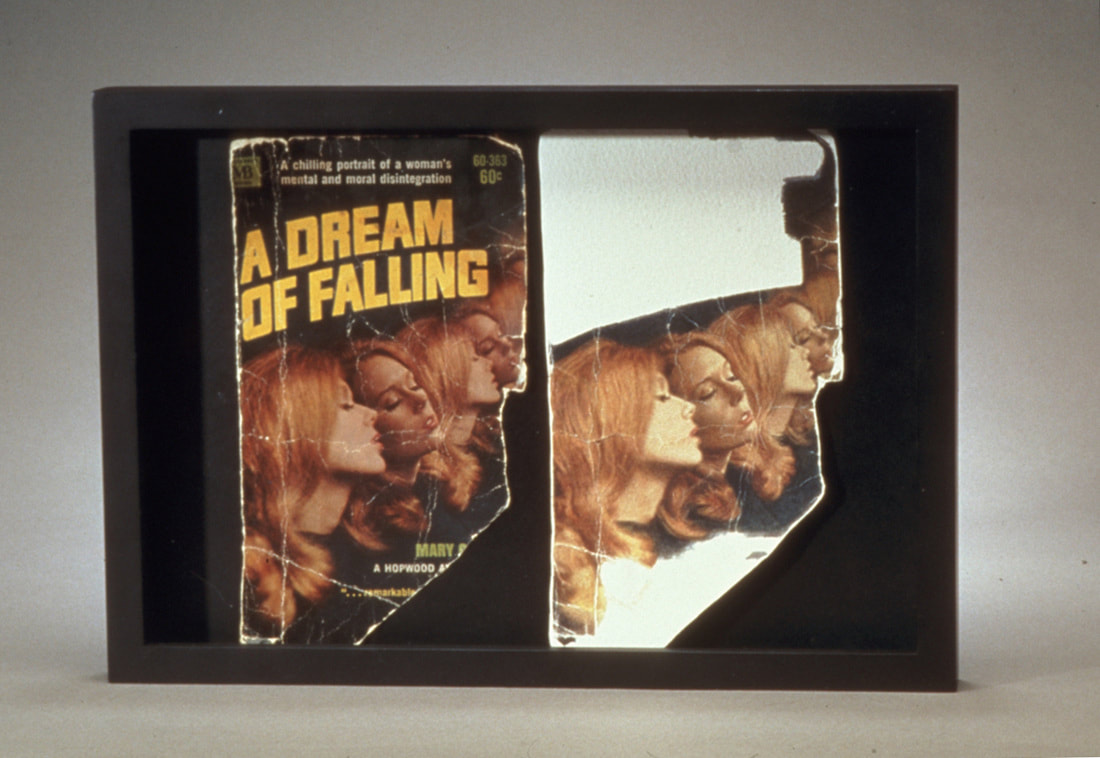
"Fact & Fiction, Vol. 8" Watercolor - right
Found Book - left 8" x 11 ½", 2000 |
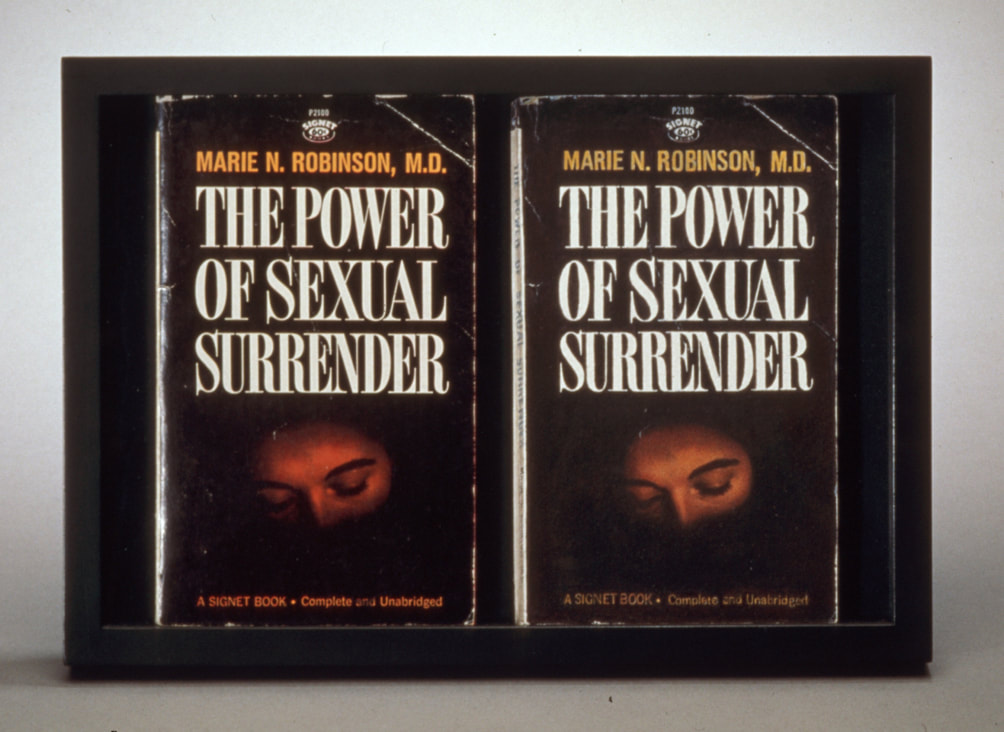
"Fact & Fiction, Vol. 9" Watercolor - right
Found Book - left 8" x 11 ½",1999 |
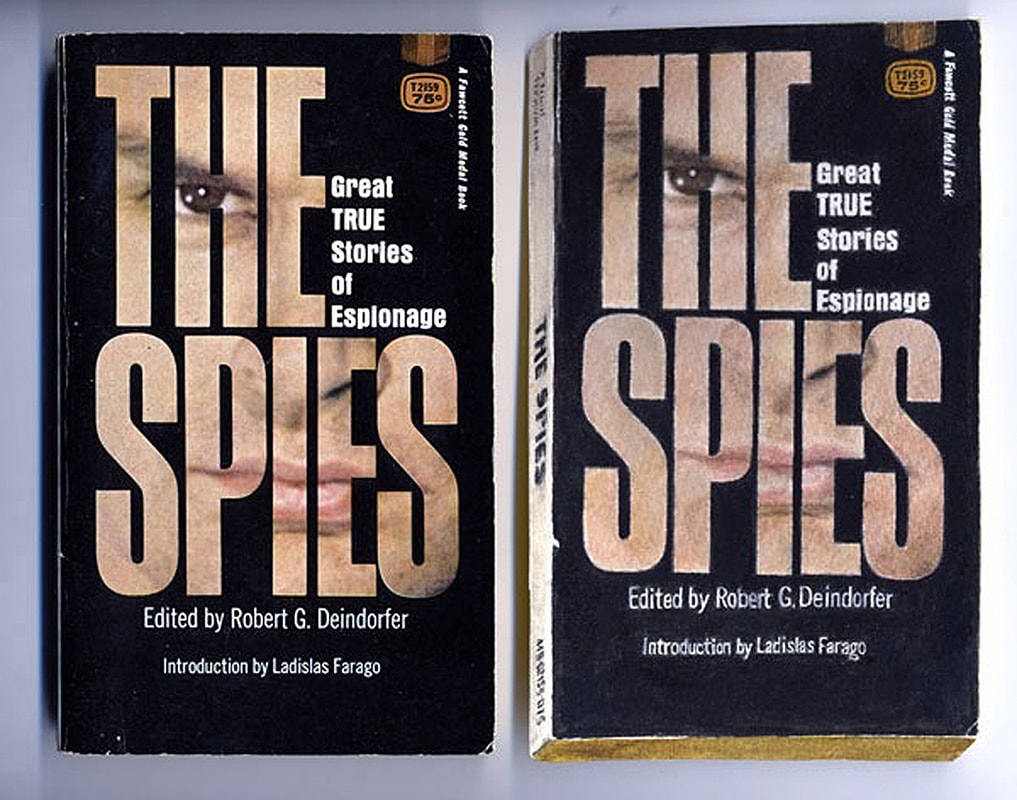
“Spy vs. Spy”
Watercolor – right Found Book – left 8” x 10”, 1999 |
SHIPS
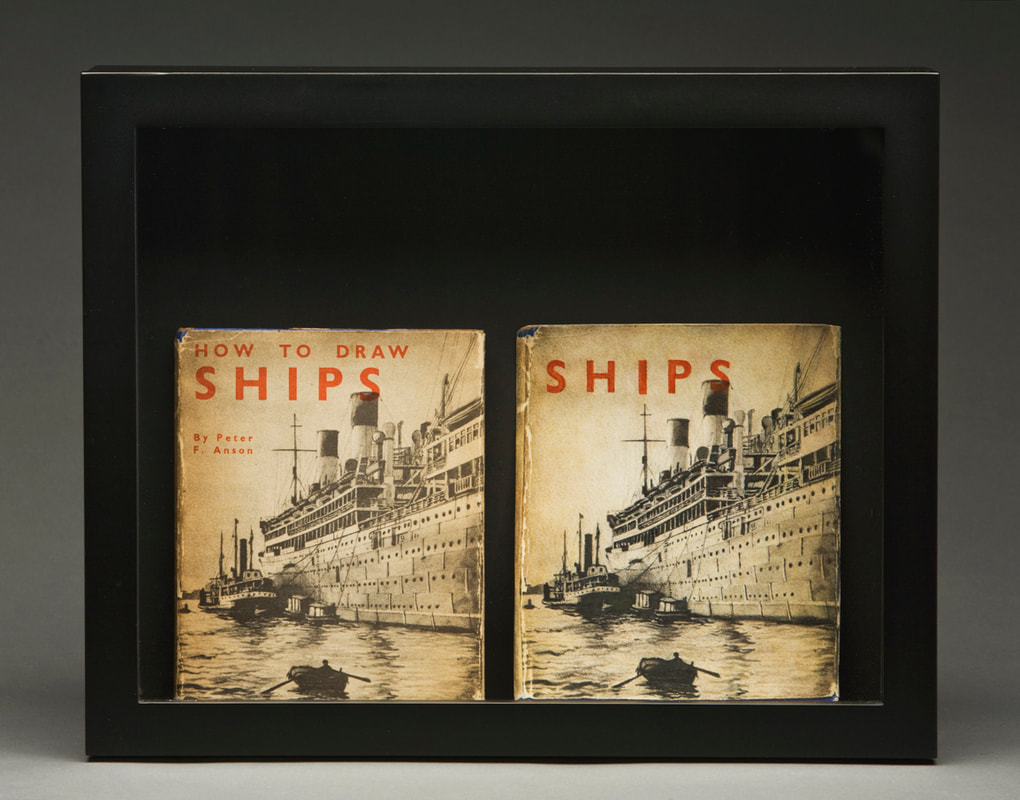
"ShipsShips"
Watercolor - right Found Book - left 10" x 14", 2013 |
TIME LAPSE
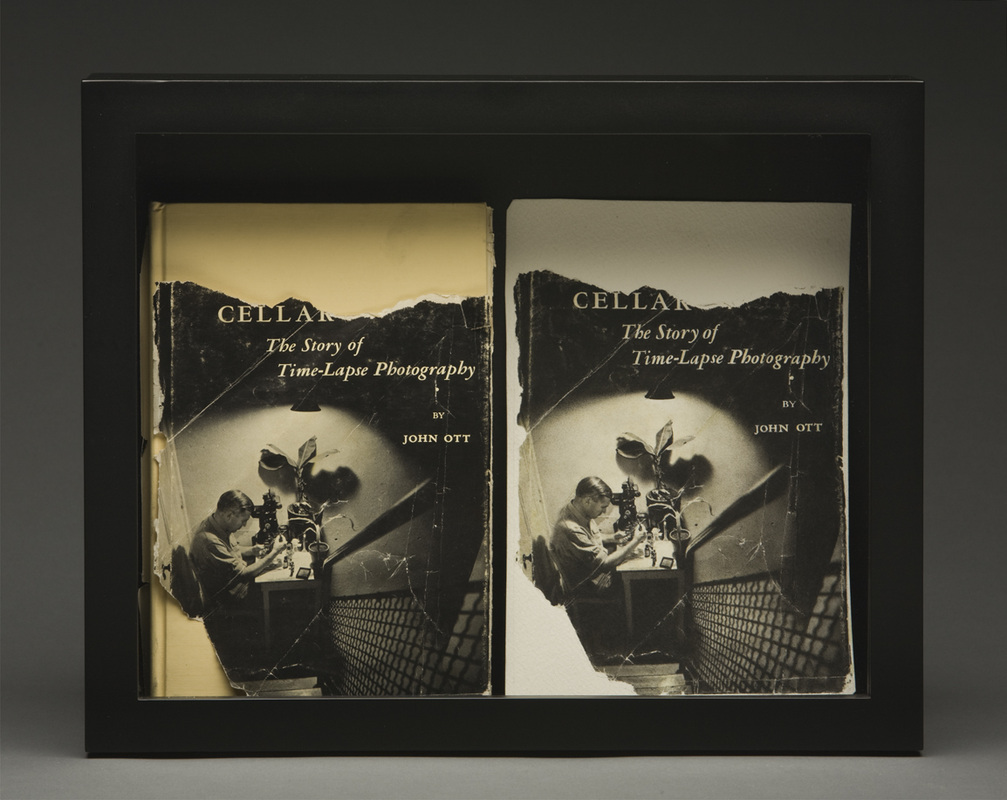
"Time Lapse I"
Watercolor - right Found Book - left 10" x 14", 2011 |
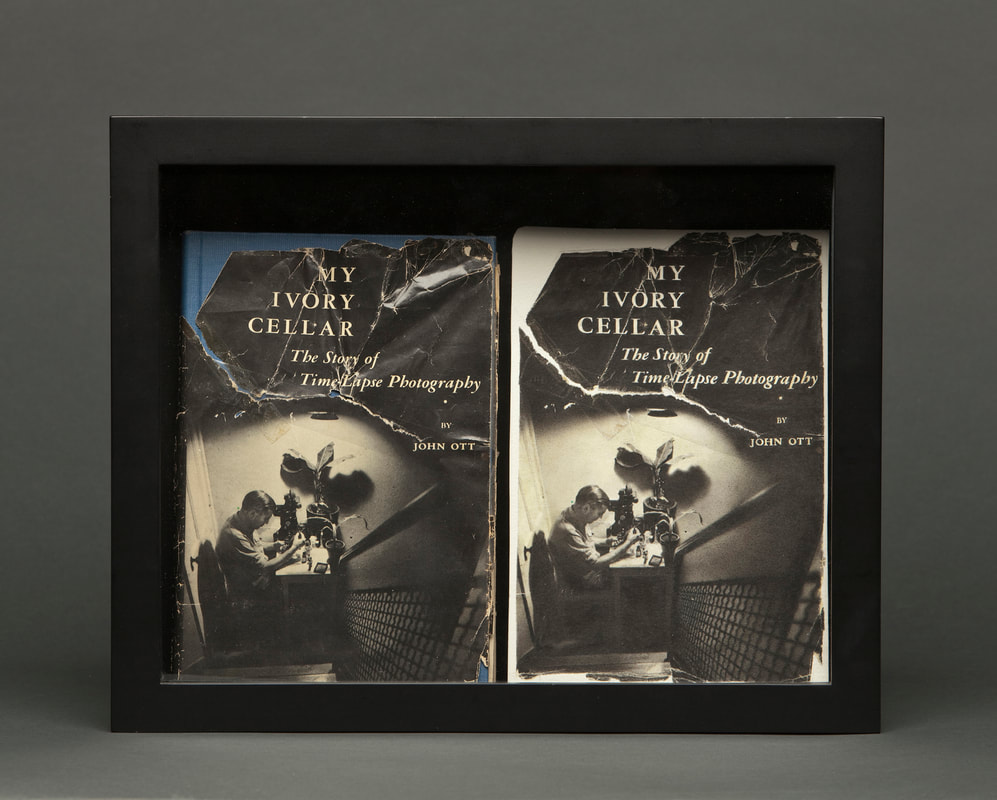
"Time Lapse II"
Watercolor - right Found Book - left 10" x 14", 2013 |
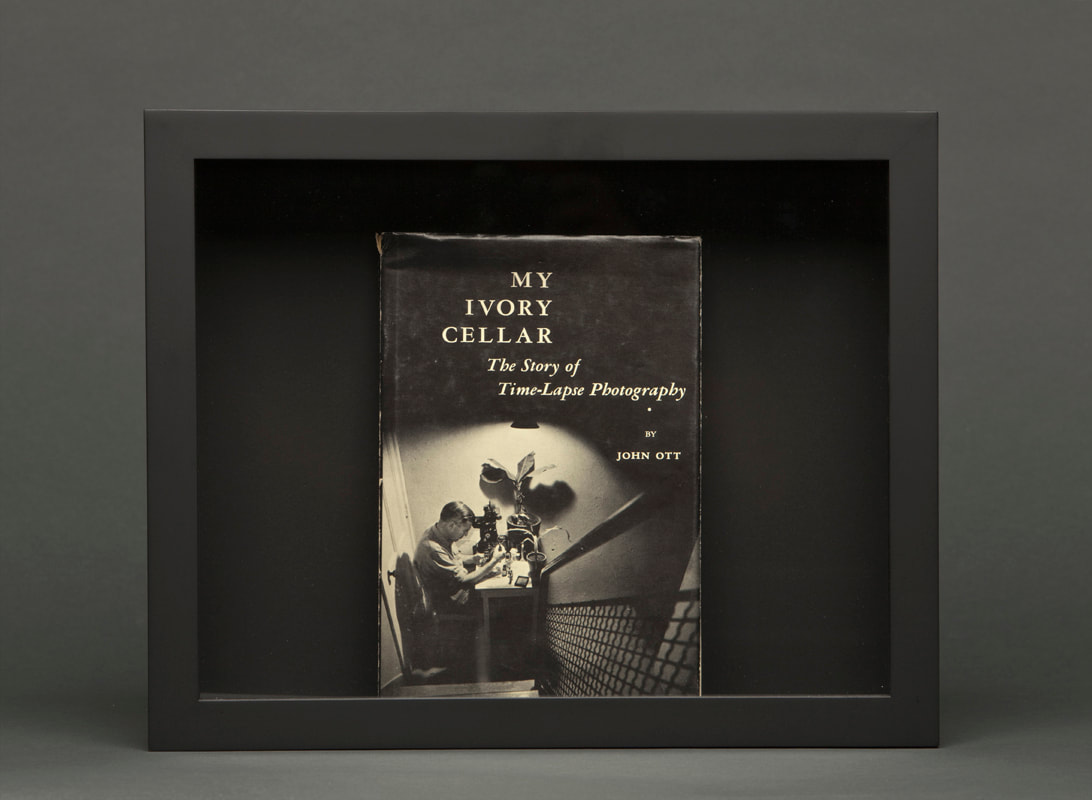
"Time Lapse III"
Found Book 10" x 14", 2013 |
PATTERN RECOGNITION
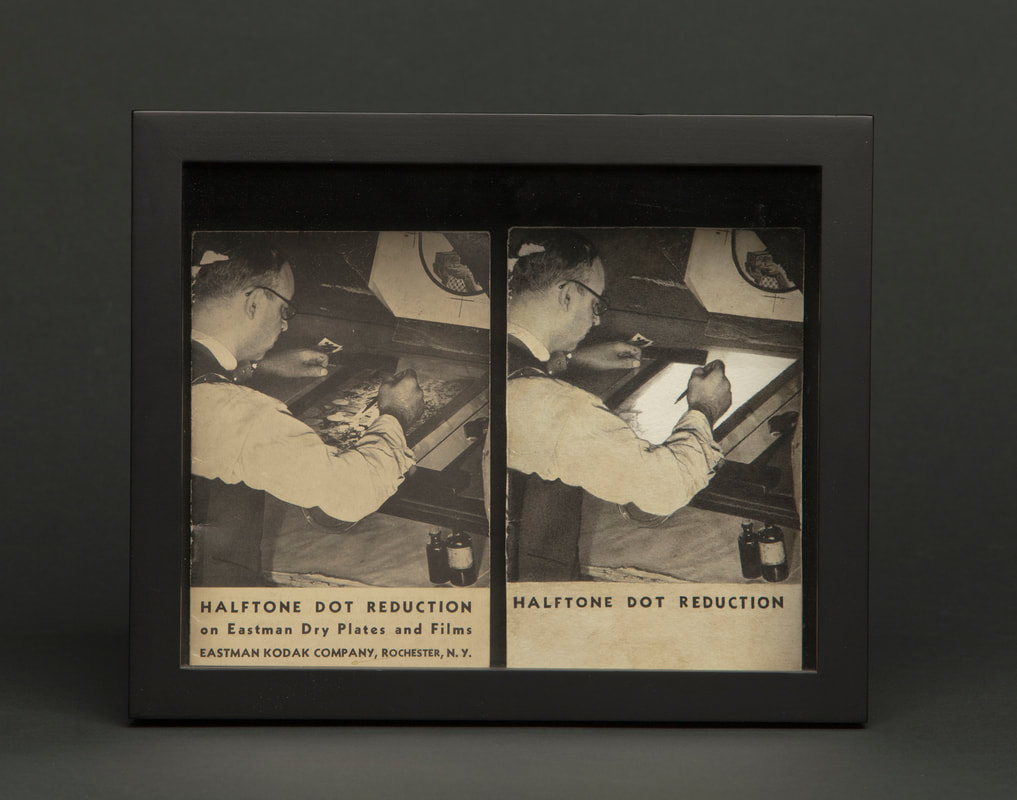
"Pattern Recognition" Watercolor - right
Found Book - left 8" x 10", 2009 |
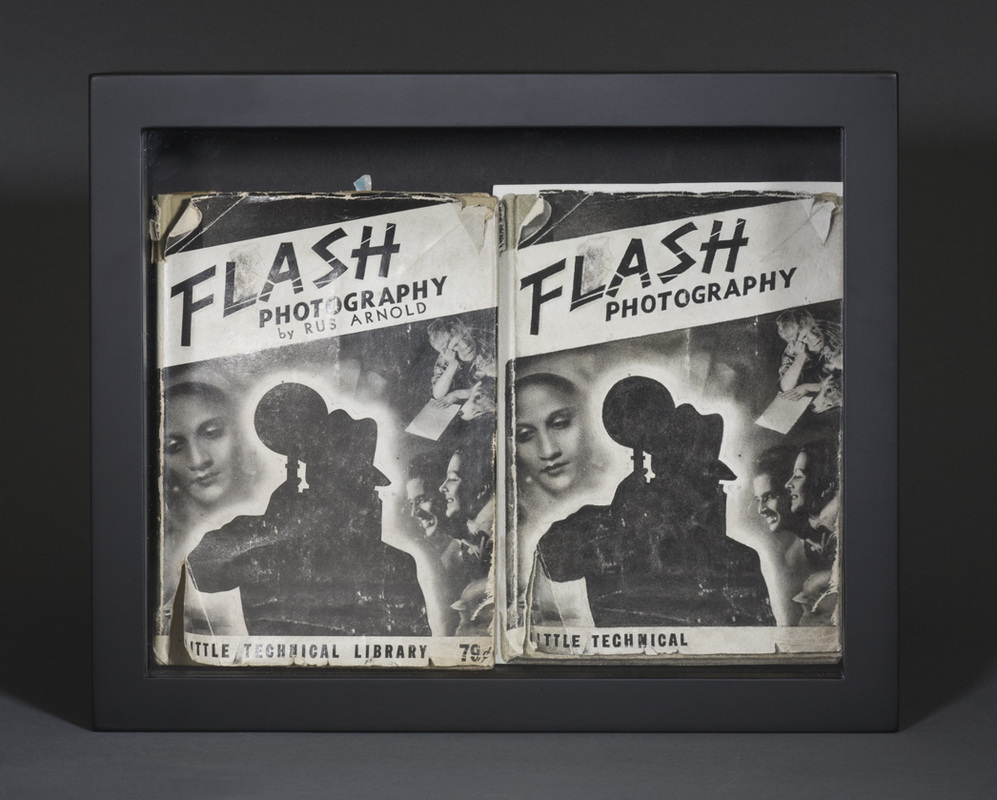
"FlashFlash"
Watercolor - right Found Book - left 8" x 10", 2009 |
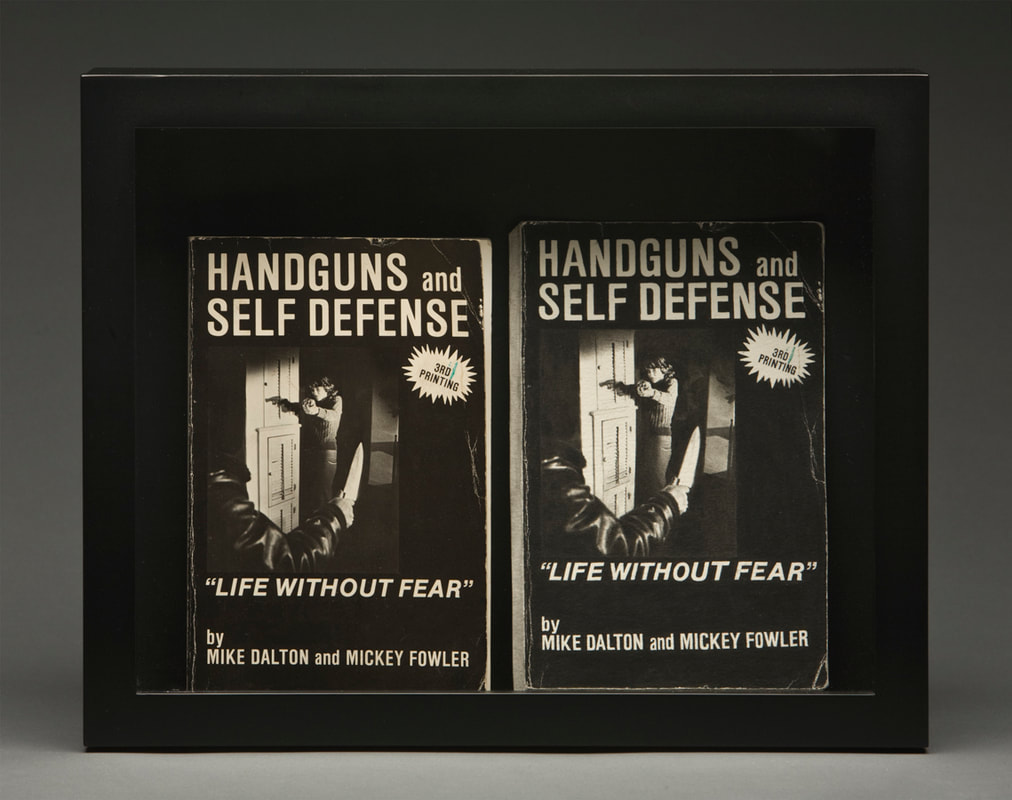
"Fear"
Watercolor - right Found Book - left 10" x 14", 2009 |
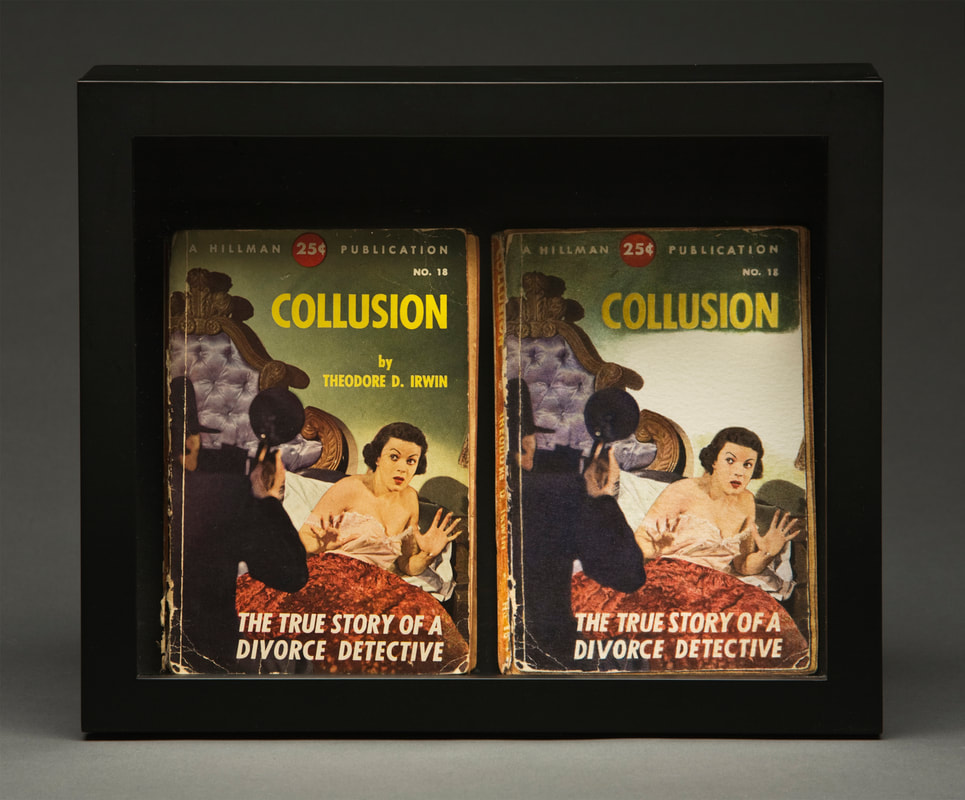
"Collusion" Watercolor - right
Found Book - left 8" x 10", 2009 |
CAUSE & EFFECT
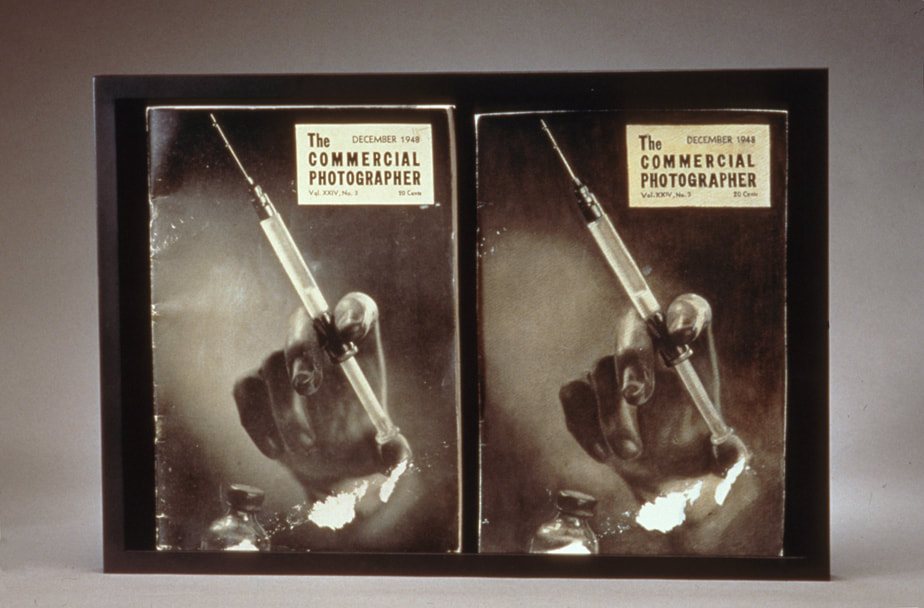
"Prescription" Watercolor - right
Found Book - left 11" x 16," 1995 |
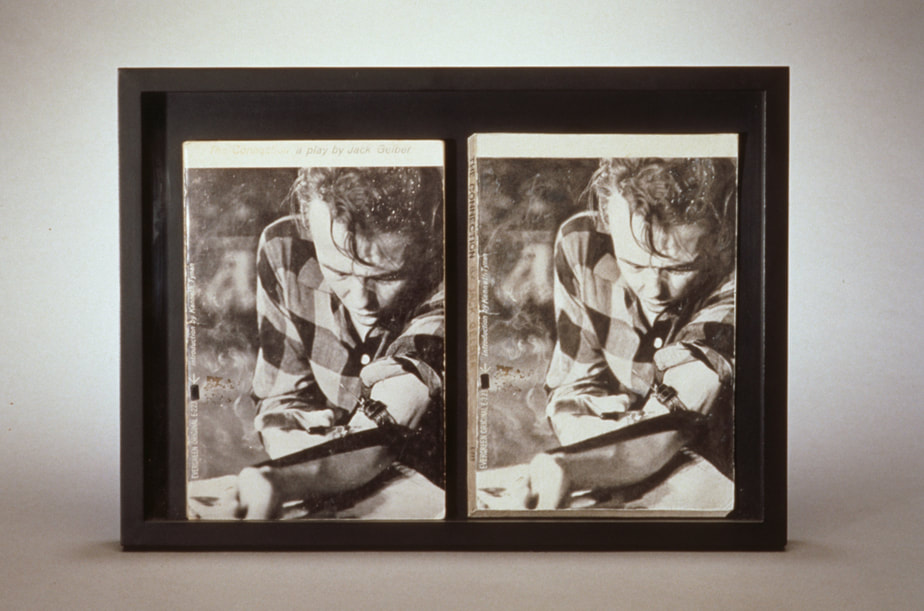
"Connection" Watercolor - right
Found Book - left 10" x 14," 2001 |
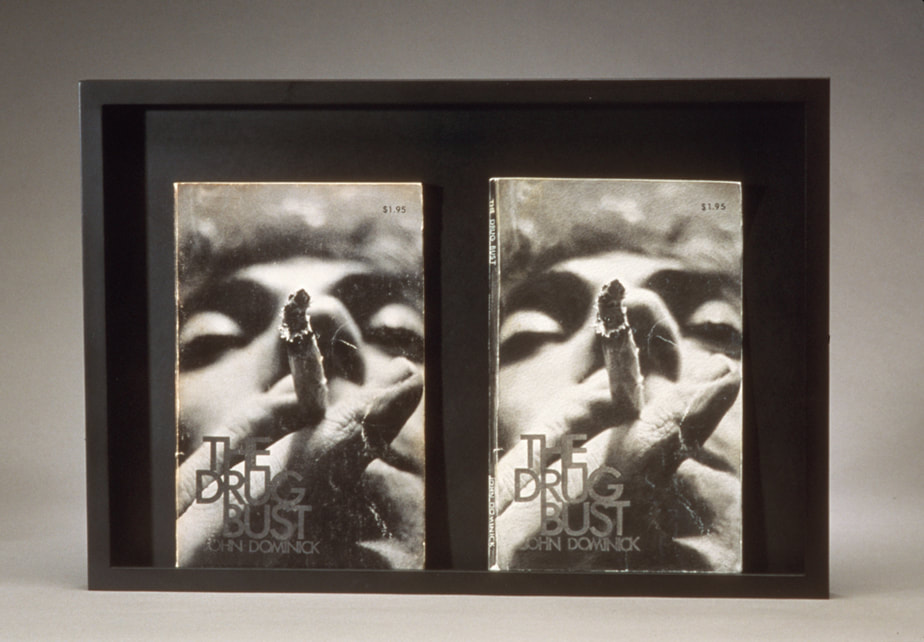
"Bust" Watercolor - right
Found Book - left 10" x 14," 1999 |
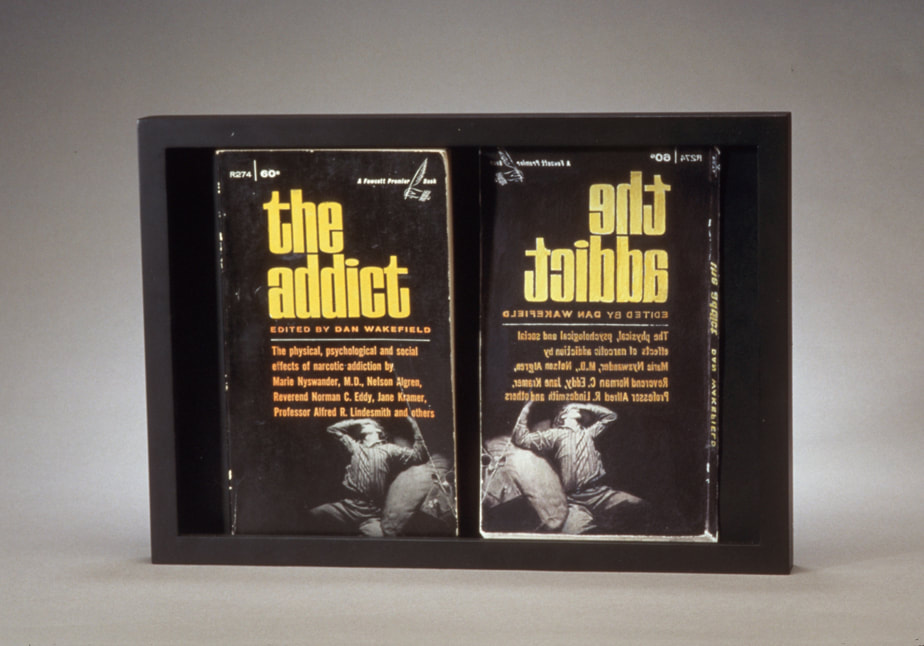
"Mirror Image" Watercolor - right
Found Book - left 10" x 14," 2001 |
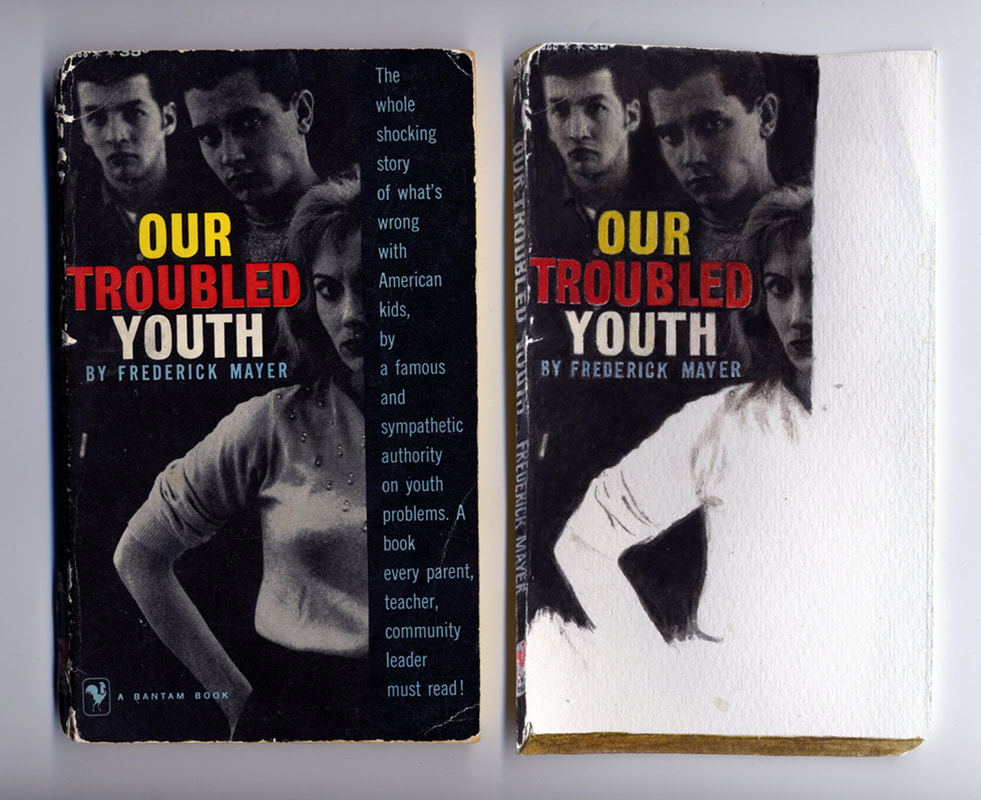
“Double Trouble”
Watercolor – right Found Book – left 8” x 10”, 2001 |
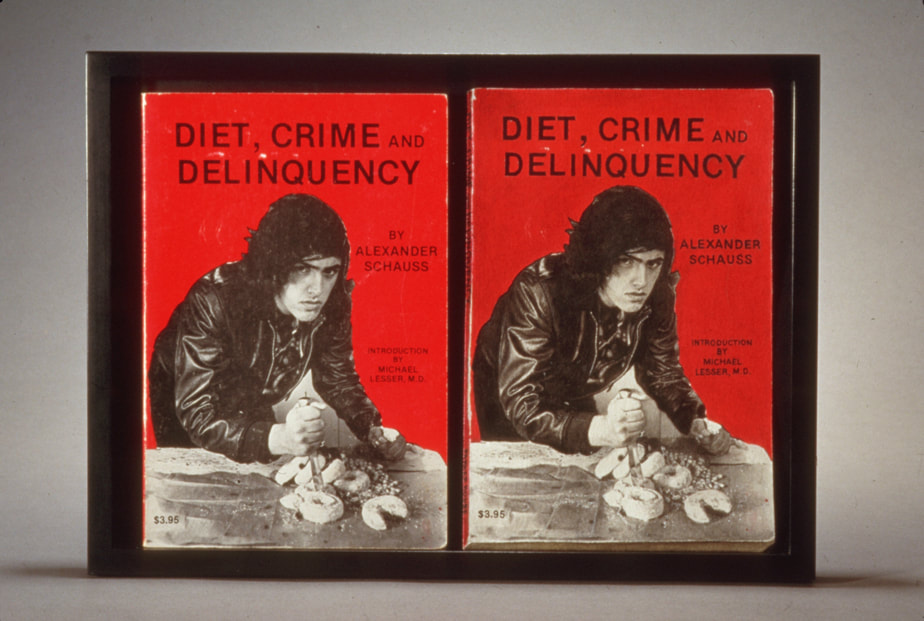
"Cause and Effect" Watercolor - right
Found Book - left 10" x 14," 2001 |
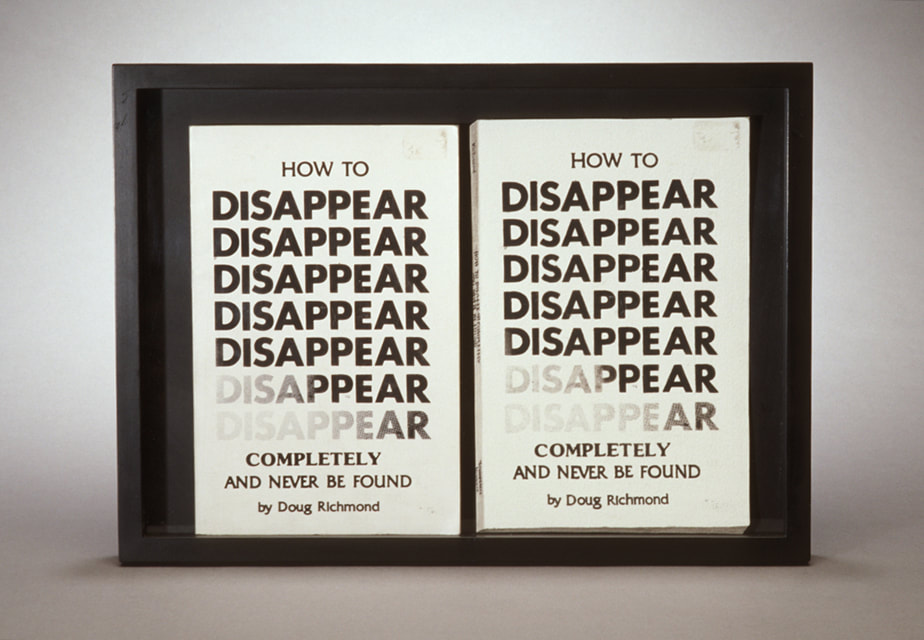
"Evanescence" Watercolor - right
Found Book - left 10" x 14," 2002 |
